
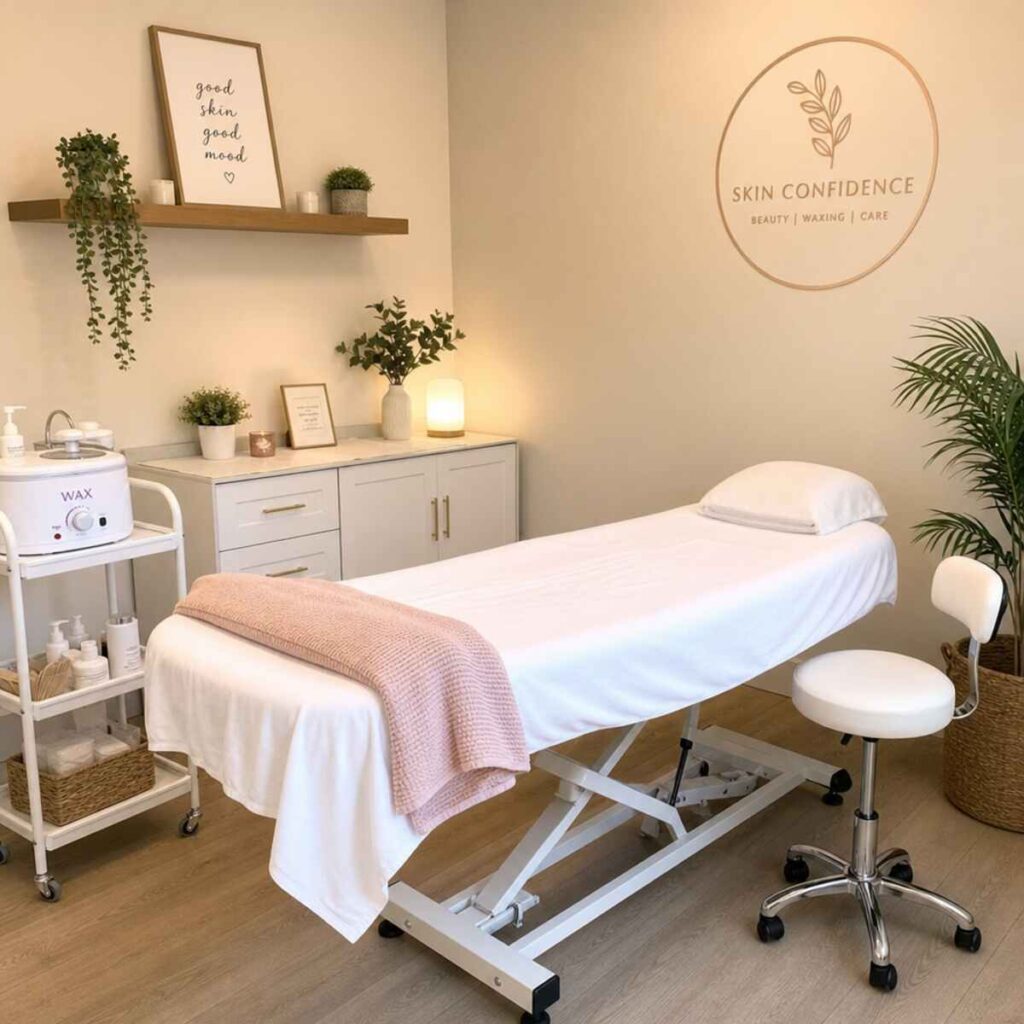
Stepping into a salon for a Brazilian waxing appointment requires a unique blend of trust, preparation, and self-care. For many, the idea of intimate grooming brings up a mix of anticipation and anxiety. You are entrusting an esthetician with a highly sensitive area of your body, and the experience can range from a quick, easily manageable session to a stressful ordeal, depending entirely on where you go and how you prepare. Have the Best information about Brazilian waxing near me.
Navigating the vast world of personal grooming means understanding that not all salons—and not all estheticians—are created equal. Making an informed decision is paramount to ensuring your comfort, safety, and ultimate satisfaction. This comprehensive guide will walk you through every nuance of the process, from finding a reputable professional to mastering your post-waxing routine.
Understanding the Landscape of Intimate Grooming
Before you even begin searching for a salon, it is crucial to understand exactly what you are signing up for. The terminology surrounding intimate hair removal can sometimes be confusing, with salons occasionally using different names for similar services.
Bikini Wax vs Full Pubic Hair Removal
One of the most common points of confusion for beginners is understanding the difference between a traditional bikini wax vs full pubic hair removal.
- The Basic Bikini Wax: This service removes hair that extends beyond the panty line or the thigh crease. It is the perfect option for those who simply want to wear swimwear confidently without worrying about stray hairs. The hair on the front of the pubic bone and underneath remains untouched.
- The French Bikini (or Extended Bikini): This takes the basic bikini wax to the next level. It removes hair deeper into the sides and usually takes some off the top, leaving a more defined, smaller triangle or landing strip. However, it typically does not include the labia or the perianal (back) area.
- The Brazilian Waxing Service: True Brazilian waxing involves the complete removal of all pubic hair from the front, the perineum, and the back (between the buttocks). Some clients choose to leave a small, neat triangle, landing strip, or square on the front of the pubic bone, but the defining characteristic of a Brazilian is the complete removal of hair from the labia and the back.
- The Hollywood Wax: Often used interchangeably with a Brazilian, a Hollywood wax strictly means absolutely no hair left behind—complete baldness from front to back.
Understanding these distinctions ensures that when you call a salon to book an appointment, you and your esthetician are on exactly the same page.
The Science of Hair Removal: Methods and Materials
When evaluating different hair removal methods, waxing stands out for its balance of longevity, affordability, and smoothness. Unlike shaving, which merely cuts hair at the skin’s surface, waxing removes hair directly from the follicle. This results in smoother skin and hair that grows back softer and finer over time.
However, the specific product your salon uses plays a massive role in your comfort and results. Salons typically employ one of three main mediums for intimate areas.
Soft Wax (Strip Wax)
Soft wax is applied in a very thin layer in the direction of hair growth. A cloth or paper strip is firmly pressed over the wax, and the esthetician swiftly pulls the strip off in the opposite direction.
- The Pros: It is incredibly efficient for large areas of the body, such as the legs, back, and chest. It grips fine hairs effectively.
- The Cons: Soft wax adheres not only to hair but also to the stratum corneum, the top layer of dead skin cells. If applied multiple times over the same area, it can cause severe skin lifting and irritation.
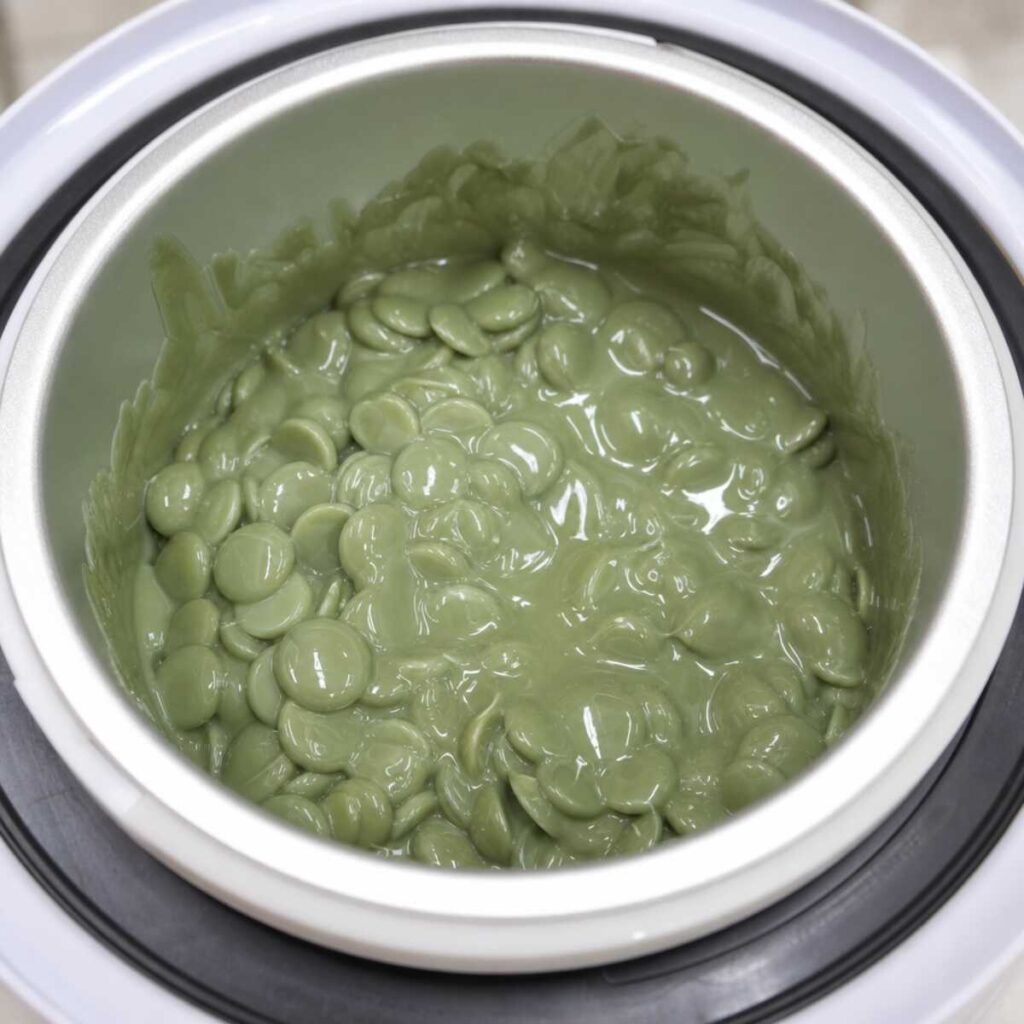
Hard Wax (Stripless Wax)
Hard wax is applied somewhat thickly, warm, and directly onto the skin. As it cools, it hardens and shrink-wraps itself around the hair follicles. The esthetician then creates a small “lip” with the wax and pulls it off—no strips required.
- The Pros: The primary benefits of hard wax for sensitive skin lie in its application. Hard wax adheres only to hair, not to skin. This significantly reduces the trauma to the delicate epidermis of the intimate area. It can also be applied to the same area more than once if a stray hair is missed, without risking tearing the skin.
- The Cons: It requires more technical skill to apply and remove correctly.
Sugaring
Sugaring is an ancient middle-eastern practice using a simple paste made of lemon, water, and sugar. The paste is molded onto the skin against the direction of hair growth and flicked off in the natural direction of growth.
- Sugar Waxing vs Traditional Stripless Wax: While both are excellent for sensitive skin, they differ in technique. Sugaring pulls hair with the natural growth direction, which some claim leads to less breakage and fewer ingrown hairs. However, traditional hard (stripless) wax is often preferred by those with coarse hair, as the shrink-wrapping effect provides an incredibly strong grip on stubborn follicles.
When choosing a salon, always ask what type of wax they use for Brazilians. A high-quality establishment will almost exclusively use hard wax or sugar paste in intimate areas due to the skin’s delicacy. Exploring the differences between hard and soft wax applications is an essential step in your salon vetting process.
The Hallmarks of a Premier Waxing Salon
Your experience hinges almost entirely on the environment you choose. Intimate waxing requires immense trust, and finding a salon that prioritizes professional salon sanitation and safety standards is non-negotiable.
1. The “No Double-Dipping” Rule
This is the golden rule of waxing. An esthetician uses a wooden spatula to apply wax to your skin. Once that spatula has touched your skin, it must be thrown away. If the esthetician dips the used spatula back into the communal wax pot, they are introducing your bacteria, dead skin cells, and bodily fluids into the wax. The wax pot is warm, creating an ideal breeding ground for bacteria.
Actionable Tip: During your appointment, listen and look. You should see the esthetician grab a fresh stick for each application. If they double-dip, stop the service immediately, pay for what has been done, and leave.
2. Licensing and Certifications
Depending on your region, estheticians and cosmetologists must hold valid, state-issued or government-issued licenses. These should be proudly displayed in the salon’s reception area or treatment rooms. Do not hesitate to ask about an esthetician’s specific training in Brazilian waxing.
3. Cleanliness and Atmosphere
The treatment room should look and smell like a clinical but relaxing environment.
- The waxing table should be covered with fresh, disposable medical paper or freshly laundered towels for every client.
- The esthetician must wash their hands thoroughly and wear a fresh pair of disposable gloves (nitrile or vinyl) throughout the entire procedure.
- Tweezers used for detailing must be sterilized in a hospital-grade liquid sterilant or an autoclave.
4. The Pre-Wax Consultation
A reputable salon will not rush you straight onto the table. They should ask you to fill out a brief intake form detailing your skincare routine, any medications you are taking, and your allergies. Certain medications, such as Accutane or topical retinoids, dramatically thin the skin and make waxing incredibly dangerous. A professional esthetician will identify these red flags to protect your skin.
The Countdown: How to Prepare for First Intimate Hair Removal
Preparation is the secret weapon for an optimal waxing experience. What you do in the days leading up to your appointment dictates how much pain you will feel, how smooth the results will be, and how quickly your skin will recover.
The Two-Week Mark: Let It Grow
One of the most frequent questions beginners ask is regarding the ideal hair length for effective waxing results. If you have been shaving, you must throw away your razor at least two to three weeks before your appointment. The wax needs something to grip. Ideally, your hair should be the length of a grain of rice—about 1/4 inch (0.6 cm). If the hair is too short, the wax cannot grab it, resulting in tweezing or incomplete removal. If it is excessively long, the wax can pull uncomfortably on the hair before it’s even removed. (Don’t worry if it’s too long; a good esthetician will trim it for you prior to waxing).
The Week Prior: Hydration and Exfoliation
Healthy, hydrated skin releases hair much more easily than dry, brittle skin.
- Drink Water: Hydrate from the inside out.
- Moisturize: Apply a lightweight, non-comedogenic lotion to your bikini line daily.
- Exfoliate: Three days before your appointment, gently exfoliate the bikini area with a soft washcloth or a mild chemical exfoliant (such as a lactic acid wash). This removes dead skin cells that might be trapping hairs against the scalp, allowing the wax to access the very base of the follicle.
24 Hours Before: Setting the Stage
As you get closer to your appointment, you need to think about how to reduce pain during pubic waxing.
- Avoid Caffeine and Alcohol: Both caffeine and alcohol are stimulants that can heighten nerve sensitivity and increase blood flow to the skin, making you more prone to pain and bruising.
- Pain Relief: Taking an over-the-counter anti-inflammatory (like Ibuprofen) 30 to 45 minutes before your appointment can help dull the pain receptors and reduce post-wax swelling.
- Wear the Right Clothes: Arrive at the salon wearing loose-fitting, breathable cotton clothing. Tight leggings or synthetic underwear will rub against your freshly waxed skin, causing severe friction and trapping sweat.
Inside the Treatment Room: What Actually Happens?
It is entirely normal to feel nervous before your first Brazilian waxing. Knowing exactly what to expect can demystify the process and help you relax.
The Setup
When you enter the room, the esthetician will leave so you can undress from the waist down in privacy. They will usually provide a cleansing wipe for you to freshen up. You will then lie on the treatment table and drape a provided towel or sheet over your lap.
The Positioning
To ensure every hair is removed, you will need to get into a few vulnerable positions. The most common is the “butterfly” position, where you lie on your back, bend your knees, and let your legs fall open to the sides. To reach the backside, the esthetician may ask you to pull your knees to your chest or flip onto your stomach. Remember: estheticians are professionals. They perform dozens of these a week. They are not judging your body; they are focusing on the hair map and skin tension.
The Waxing Process
- Cleansing: The esthetician will apply a pre-wax cleanser to remove oils, sweat, and lotion.
- Protection: A light dusting of pre-wax oil or powder is applied to act as a barrier, ensuring the wax only grabs the hair, not the skin.
- Application: They will apply the warm wax in sections, starting from the outside (the bikini line) and working their way inward to the more sensitive areas (the labia).
- The Pull: The esthetician will pull the skin incredibly taut. This is vital for pain management. They will ask you to take a deep breath in, and as you exhale, they will quickly remove the wax. Exhaling during the pull naturally relaxes your muscles.
- Pressure: Immediately after removing the wax, they will apply firm pressure to the area with their gloved hand. This intercepts the pain signals traveling to your brain and significantly reduces the sting.
- Tweezing: Once the waxing is done, they will use sterilized tweezers to pluck any stubborn, short stray hairs.
- Post-Wax Care: Finally, they will apply a soothing serum, aloe vera, or a calming oil to reduce redness and close the pores.
The Crucial 48 Hours: Immediate Aftercare Waxing Brazilian
The moment you leave the salon, your pores are wide open, and your skin is highly vulnerable to bacteria, friction, and heat. Strict adherence to an aftercare waxing brazilian protocol is vital for a smooth recovery.
Activities to Avoid After Getting a Wax
For the first 24 to 48 hours, you must treat the area with extreme care. The rule of thumb is avoiding friction, heat, and sweat.
- No Intense Workouts: Skip the gym, cycling, running, or any activity that causes excessive sweating and friction in the groin area. Sweat carries bacteria that can easily enter open hair follicles, leading to folliculitis (infected, whitehead-like bumps).
- No Hot Tubs or Saunas: Avoid swimming pools, oceans, saunas, and hot baths. Stick to lukewarm showers. The heat can aggravate already inflamed skin, and public water sources are rife with bacteria.
- No Intimacy: It is highly recommended to abstain from sexual activity for at least 24 hours. The friction can cause severe chafing, and the introduction of foreign bacteria can lead to infection.
- No Tight Clothing: Say goodbye to tight jeans, synthetic thongs, or compressive workout gear for a couple of days. Opt for loose, 100% cotton underwear and breezy pants or skirts.
Soothing Skin Irritation After Salon Hair Removal
Experiencing some redness, slight swelling, or tiny red dots (known as histamine reactions) is completely normal, especially after your first time.
- Cool Compresses: Apply a clean, cool, damp washcloth to the area to help lower the skin’s temperature.
- Aloe Vera: Use 100% pure aloe vera gel (without added alcohol or artificial colors) to calm the skin.
- Hydrocortisone: If the itching or redness is severe, a very thin layer of over-the-counter 1% hydrocortisone cream can provide immediate relief.
The Long Game: Post-Treatment Skincare Routine for Intimate Areas
Once the initial 48-hour danger zone has passed, your focus must shift from soothing the skin to preparing it for the regrowth phase. A dedicated post-treatment skincare routine for intimate areas is the only way to maintain flawless results.
Ingrown Hair Prevention After Bikini Treatment
Ingrown hairs occur when a growing hair curls back into the skin or gets trapped beneath a layer of dead skin cells, causing a painful, inflamed bump. Prevention requires a two-pronged approach: exfoliation and hydration.
1. Exfoliation (Start 48-72 hours post-wax): You must remove the dead skin cells that block the hair’s path to the surface.
- Physical Exfoliants: Use a gentle exfoliating mitt or a scrub with fine, non-abrasive particles (like jojoba beads or fine sugar) in the shower 2-3 times a week. Avoid harsh scrubs containing walnut shells or apricot kernels, as they can cause microtears in delicate skin.
- Chemical Exfoliants: These are often more effective for the bikini line. Look for serums or pads containing Alpha-Hydroxy Acids (AHAs) such as Glycolic or Lactic acid, or Beta-Hydroxy Acids (BHAs) such as Salicylic acid. Salicylic acid is particularly effective because it is oil-soluble and can penetrate deep into the pores to dissolve clogs.
2. Hydration (Daily): Dry, hard skin acts like a brick wall against fine, newly growing hairs. Keeping the skin supple ensures the hair can push through easily. Apply a specialized intimate oil or a lightweight, fragrance-free lotion daily. Ingredients like tea tree oil (in safe dilutions), chamomile, and jojoba oil are fantastic for keeping the skin soft and clear.
Managing Redness and Bumps Post-Depilation
Even with the best routine, the occasional bump may appear.
- Do Not Pick: Squeezing or picking at an ingrown hair will push the bacteria deeper, cause scarring, and potentially lead to hyperpigmentation (dark spots).
- Spot Treat: Apply a warm compress to the bump to encourage it to come to the surface naturally. Treat it with a targeted salicylic acid spot treatment or tea tree oil.
- Consult Your Esthetician: If you develop deep, painful, cystic bumps, do not attempt to perform surgery at home. Contact your esthetician or a dermatologist; they can safely extract the hair or provide appropriate topical treatments.
The Biology of Regrowth: Cycles and Maintenance
To truly master the art of the Brazilian wax, you must understand how human hair behaves. Clients often wonder, how long do hair removal results last? The answer lies in the complex biology of our hair follicles.
Pubic Hair Growth Cycles and Maintenance Schedule
Human hair does not grow in unison. At any given moment, your hair is in one of three distinct phases:
- Anagen (The Growth Phase): Hair is actively growing and is deeply rooted in the dermal papilla, receiving a blood supply. This is the ideal phase for waxing, as removing hair now slightly damages the follicle, leading to finer regrowth over time.
- Catagen (The Transitional Phase): Hair detaches from its blood supply and stops growing.
- Telogen (The Resting/Shedding Phase): Hair remains dormant in the follicle until a new anagen hair pushes it out.
Because your hair is in different stages, you may notice some stubble just a week or two after your first wax. This is not the hair that was waxed breaking; it is the hair that was resting beneath the surface during your appointment finally popping through the skin.
To achieve ultimate, long-lasting smoothness, you need to synchronize your hair growth cycles. This requires a strict pubic hair growth cycles and maintenance schedule.
- The Golden Rule of Booking: You should schedule your waxing appointments religiously every 4 to 6 weeks.
- Do Not Shave Between Appointments: Shaving blunt-cuts the hair and completely disrupts the synchronization process you are trying to achieve. It essentially resets your progress to zero.
By your third or fourth consecutive wax (without shaving in between), your hair cycles will align. You will experience longer periods of complete hairlessness, and the hair that does grow back will be noticeably sparser, softer, and finer. For dedicated waxers, smooth results can eventually last a solid three to four weeks before any noticeable regrowth appears.
Specialized Considerations for Waxing
Waxing is not a one-size-fits-all experience. Various life stages and bodily changes can alter how your skin reacts to the process.
Waxing During Menstruation
Can you get a Brazilian wax while on your period? Yes, absolutely. However, you must wear a clean tampon or menstrual cup during the service. Be aware that your body produces higher levels of prostaglandins during menstruation, which makes your nerve endings significantly more sensitive to pain. If possible, the ideal time to schedule a wax is the week after your period ends, when your pain tolerance is at its highest.
Waxing During Pregnancy
Brazilian waxing is generally safe during pregnancy, and many women rely on it heavily in the third trimester when they can no longer see or reach their bikini area.
- However, increased blood volume and hormonal changes can make the skin more sensitive and prone to hyperpigmentation.
- Ensure you inform your esthetician that you are pregnant, as they may need to adjust your positioning to keep you comfortable and avoid lying flat on your back for extended periods.
Waxing for Plus-Sized Bodies
A professional salon is a judgment-free zone. Estheticians are trained to wax bodies of all shapes and sizes. If you are plus-sized, the esthetician may simply ask you to assist them by holding your skin taut in certain areas to ensure a clean, safe pull. The mechanics of the wax remain exactly the same.
Mental Preparation: Overcoming the Awkwardness
The psychological hurdle of a Brazilian wax is often far larger than the physical pain. It is completely natural to feel self-conscious about baring it all to a stranger.
To overcome this, reframe your perspective. Think of your esthetician like a medical professional—a gynecologist or a dermatologist. They view your body objectively. To them, a Brazilian wax is a clinical task of mapping hair growth patterns and executing a technical skill. They are focusing on the angle of the hair, the temperature of the wax, and the tension of your skin, not the shape of your body or the appearance of your intimate areas.
Establishing a rapport with your chosen esthetician can work wonders. If you are nervous, tell them! A great esthetician will slow down, talk you through every step, and distract you with casual conversation to keep your mind off the procedure.
Red Flags: When to Walk Away from a Salon
Knowing what makes a great salon also means knowing how to spot a bad one. Protect your skin and your health by keeping an eye out for these definitive red flags:
- Dirty Workstations: If you see wax drips all over the machine, a messy trolley, or unemptied trash cans, leave.
- No Hand Washing: If the esthetician does not wash their hands or apply fresh gloves in front of you before touching your skin, the service cannot proceed safely.
- Blowing on the Wax: An esthetician should never blow on the wax spatula to cool it down. This introduces mouth bacteria directly into the product that is about to be applied to your open pores. They should regulate the temperature using the wax warmer settings.
- Rushing the Service: While experienced estheticians are fast (a standard Brazilian takes 15 to 30 minutes), you should never feel rushed or physically manhandled. Proper technique requires care.
- Using Soft Wax Exclusively for Brazilians: As discussed, hard wax or sugar is the industry standard for the delicate bikini area. If a salon insists on using paper strips for the entire Brazilian, you are at a much higher risk for skin tearing and bruising.
Frequently Asked Questions (FAQ)
To wrap up our extensive dive into Brazilian waxing, let’s address some of the most highly searched questions by clients preparing for their salon visit.
Does Brazilian waxing hurt?
Yes, it involves pulling hair from the root in a highly sensitive area, so there is a momentary sting. However, the pain is incredibly brief. With consistent waxing, the hair root becomes smaller, and the pain decreases drastically. Most clients report that the anticipation is far worse than the actual wax.
How do I know if I have an ingrown hair or an infection?
An ingrown hair typically presents as a solitary red bump, sometimes with a visible hair looped under the skin’s surface. Folliculitis (a mild infection of the follicle) looks like a cluster of small, whitehead-like pimples. If you experience severe swelling, heat radiating from the area, spreading redness, or fever, consult a doctor immediately, as this could be a staph infection.
Can I trim my hair before I go?
It is generally advised to leave the trimming to the professional. Many clients accidentally trim too short, making waxing impossible. If you haven’t shaved in months and the hair is extremely long, you can carefully trim it with sterilized scissors, but always err on the side of leaving it too long.
Is it okay to use numbing cream?
Discuss this with your esthetician beforehand. Some numbing creams constrict blood vessels and tighten the pores, which can make hair harder to extract, leading to breakage rather than a clean pull from the root. If approved, apply a lidocaine-based cream 45 minutes before the appointment, but ensure you wipe it completely clean before the wax is applied.
What is a "vajacial"?
A vajacial is a spa treatment performed on the vulva and the bikini line, usually offered a week or two after a Brazilian wax. It typically involves cleansing, mild exfoliation, extraction of ingrown hairs, high-frequency antibacterial therapy, and a soothing hydrojelly mask. It is an excellent addition to your post-treatment skincare routine for intimate areas.
Conclusion: Making the Right Choice for Your Skin
Embarking on your intimate hair removal journey does not have to be a daunting endeavor. By educating yourself on the various hair removal methods, understanding the profound differences between hard and soft wax applications, and strictly adhering to aftercare waxing brazilian protocols, you take control of your comfort and your results.
The most vital takeaway is the need to do your research. Choosing the right salon goes far beyond finding the cheapest price or the closest location. It is an investment in your bodily autonomy, hygiene, and skin health. Demand professional salon sanitation and safety standards, ask questions about their techniques, and prioritize your comfort above all else.
When you find that perfect esthetician—the one who uses premium hard wax, prioritizes cleanliness, and makes you feel entirely at ease—you will understand why Brazilian waxing remains the gold standard of intimate grooming worldwide. Prepare properly, breathe deeply, and enjoy the lasting confidence that comes with flawlessly smooth skin.