

It is a scenario that plays out thousands of times a day at petrol stations across the globe. You are tired after a long day at work, driving a new rental car, or simply distracted by a phone call. You pull up to the pump, grab a nozzle, and begin filling your tank. Halfway through, a cold sense of dread washes over you as you look at the color of the pump handle. You have just put the wrong fuel in your car. Read the Best info about Wrong Fuel Recovery Near Me.
Before panic sets in, take a deep breath. You are far from the first person to make this mistake, and you certainly will not be the last. While misfueling is a serious issue that requires immediate attention, it is entirely fixable if you handle the situation correctly.
This comprehensive guide is designed to walk you through exactly what to do, what not to do, the mechanics of why misfueling is dangerous, and how professional recovery services can save your vehicle.
The Golden Rule: Do Not Start the Engine!
If you realize your mistake while you are still at the pump, you are in the best possible position. The most critical piece of advice any mechanic will give you is this: Do not put your key in the ignition.
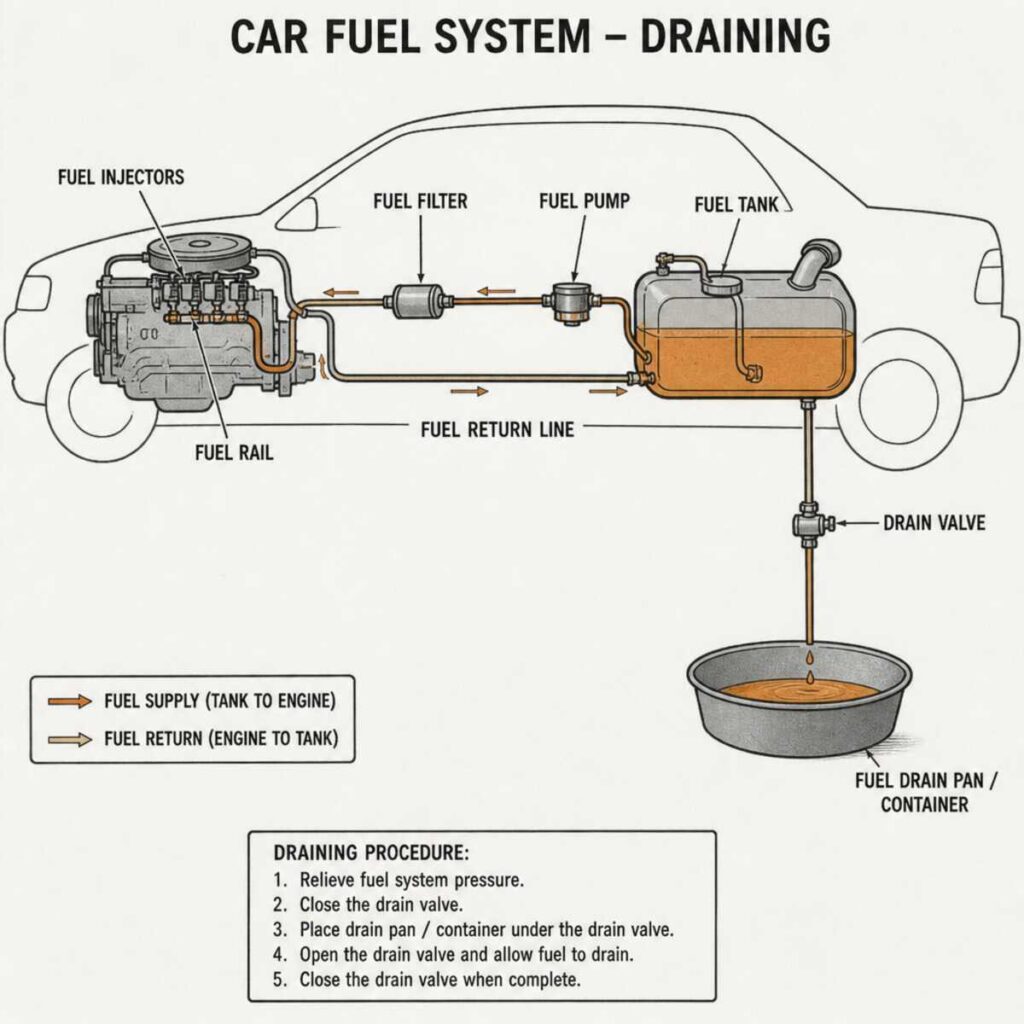
In modern cars, simply turning the key to the “on” position—even without turning over the engine—primes the fuel pump. This action sends contaminated fuel from the tank directly into the fuel lines, filters, and injectors. If the wrong fuel stays in the tank, fixing the problem is a relatively quick and straightforward fuel drain. If it enters the fuel system, the repair becomes significantly more complex and expensive.
Immediate Steps to Take After Misfueling
If you are standing at the pump with the horrible realization that you have used the wrong nozzle, follow these exact steps to take after misfueling:
- Stop Fueling Immediately: Release the pump trigger and return the nozzle to its holster. Every drop counts.
- Leave the Keys Out of the Ignition: As mentioned, do not even turn the key to roll up the windows or turn on the radio.
- Inform the Petrol Station Staff: Go inside and tell the attendant what has happened. They deal with this regularly. They will place a cone behind your vehicle to block the pump from other drivers.
- Put the Car in Neutral and Push It: If the station is busy, ask the attendant or a bystander to help you push your vehicle to a safe parking bay away from the pumps. Remember to keep the keys out of the ignition while steering.
- Call for Professional Help: You will need specialized wrong fuel assistance. Pull out your phone and begin looking for professional mobile fuel drain services in your vicinity.
What Actually Happens to Your Car? The Mechanics of Misfueling
To understand why this mistake is such a big deal, it helps to understand a little bit about how different fuels interact with different engines. The internal combustion engine is a finely tuned machine, and introducing the wrong chemical compound can wreak havoc in a matter of minutes.
What Happens if I Put Petrol in a Diesel Car?
This is the most common misfueling mistake. Why? Because a narrower petrol nozzle easily fits into the wider neck of a diesel fuel tank.
If you are wondering what happens if I put petrol in a diesel car, the answer lies in the fundamental differences between the two fuels. Diesel fuel is not just a combustible liquid; it also acts as a heavy lubricant for the high-pressure fuel pump and the engine’s internal components.
Petrol, on the other hand, is a solvent. When petrol is introduced into a diesel engine, it acts as a thinner, immediately stripping away the essential lubrication provided by the diesel.
As the high-pressure fuel pump operates without lubrication, metal grinds against metal. This friction produces microscopic metal shards (known as swarf), which are then pumped through the fuel lines and into the fuel injectors. This leads to catastrophic damage to common-rail diesel fuel systems. Replacing a high-pressure pump, fuel lines, and injectors can cost thousands of dollars. Therefore, stopping the engine before this circulation happens is paramount.
The Diesel in Petrol Car Recovery Process
Putting diesel into a petrol car is much less common because the standard diesel pump nozzle is larger than the filler neck of most modern petrol cars. However, it still happens—often when drivers fill up from jerry cans or use older, non-standard pumps.
Petrol engines rely on a spark plug to ignite the fuel. Diesel fuel is heavy and oily and requires high compression to ignite—a spark plug simply cannot ignite it effectively. If you put diesel in a petrol car, the spark plugs will quickly become coated in unburned diesel and misfire. The engine will choke, smoke heavily, and eventually stall.
While frustrating, the diesel in petrol car recovery process is generally less catastrophic than the reverse scenario. Petrol systems do not rely on fuel for lubrication in the same way diesel systems do. Once the tank is drained, the fuel lines are flushed, and the spark plugs are cleaned or replaced, the car will typically run perfectly fine again.
The AdBlue Mistake: AdBlue in Diesel Tank Removal
In recent years, a new misfueling hazard has emerged: AdBlue. AdBlue is an exhaust fluid made of urea and deionized water, required in modern diesel cars to reduce harmful emissions. Modern cars have a separate, smaller filler neck for AdBlue, usually located next to the diesel filler neck.
In moments of inattention, drivers sometimes pour AdBlue directly into the main diesel fuel tank. This is an absolute disaster. AdBlue is highly corrosive to the metals and materials used in fuel systems. If it enters the fuel lines, it will quickly rust and destroy the fuel pump, injectors, and engine internals.
AdBlue in diesel tank removal requires absolute precision. You must not start the car. A professional must drain the tank completely, and depending on the vehicle, the tank may need to be dropped and chemically cleaned to ensure no corrosive residue remains.
Recognizing the Red Flags: Symptoms of Contaminated Fuel
What happens if you did not realize your mistake at the pump? Perhaps you paid, started the engine, and drove off down the road. Depending on the ratio of wrong fuel to right fuel in your tank, it might take a few miles for the contaminated mixture to reach the engine.
If you are driving, you must pull over safely at the first indication of trouble. Here are the primary signs of fuel pump contamination and petrol in diesel engine symptoms:
- Loss of Engine Power: Your foot is on the accelerator, but the car is sluggish and refusing to gain speed.
- Aggressive Engine Knocking: You will hear a loud, metallic clatter or knock from under the bonnet. This is the sound of improper combustion and metal-on-metal friction.
- Excessive Exhaust Smoke: Depending on the fuel mix, you may see thick white or black smoke billowing from the exhaust pipe.
- Engine Misfires and Jerking: The car may buck, jerk violently, or hesitate as the engine struggles to process incorrect fuel.
- The Dashboard Lights Up: The “Check Engine” light, coil light, or fuel system warning lights will likely illuminate.
- The Engine Dies: Ultimately, the engine will cut out entirely and refuse to restart.
If you experience these symptoms shortly after visiting a petrol station, safely pull over to the hard shoulder or side of the road, turn on your hazard lights, and turn off the engine immediately.
Finding Help: “Wrong Fuel Recovery Near Me”
When you are stranded on a forecourt or the side of a highway, your primary goal is finding rapid, reliable assistance. A quick search for “Wrong Fuel Recovery Near Me” will likely yield several results, but it is important to know what you are looking for.
You need a dedicated mobile fuel drainage service. While a standard towing company can take your car to a mechanic, a specialized mobile unit can fix the problem on the spot, saving you towing fees, garage labor rates, and days without your vehicle.
What to Look for in a Fuel Drain Service
When searching for a fuel drain near me, consider the following factors before making the call:
- Specialized Equipment: Ensure the company specializes specifically in wrong fuel recovery. They should operate purpose-built vehicles equipped with ATEX-approved (explosive-atmosphere-safe) pumping systems.
- Certifications and Licenses: Dealing with highly flammable liquids requires specific health and safety certifications. Ensure the technicians are certified to handle hazardous materials.
- Availability: Misfueling doesn’t just happen during business hours. Look for services that offer a 24 hour misfueling assistance response time.
- Clear Pricing: A reputable company will ask you a few questions (car make, model, location, and whether the engine was started) and provide a clear, upfront quote.
The Recovery Process: How Professionals Save Your Engine
When the mobile technician arrives, they will follow a highly structured, safety-first protocol. The wrong-fuel engine flush procedure is a precise science designed to completely remove contamination from your vehicle. Here is exactly what to expect during an emergency roadside fuel flush.
Step 1: Securing the Area
The technician will first ensure the area is safe. They will set up safety cones, place warning signs, and ensure all static grounding protocols are followed. Fuel vapors are highly volatile, and specialized static-free equipment must be used to prevent sparks.
Step 2: Accessing the Fuel Tank
Most modern cars have an anti-siphon valve in the filler neck to deter fuel thieves. Therefore, a professional technician cannot simply drop a hose down the filler neck. Instead, they will access the fuel tank by safely removing the rear seat to reach the fuel sender unit, or by accessing the fuel return lines under the bonnet.
Step 3: Draining the Contaminated Fuel
Using a specialized, high-capacity suction pump, the technician will drain the mixed fuel from your tank into a secure, UN-approved hazardous waste tank situated in the back of their van. They will ensure the tank is completely dry.
Step 4: Flushing the Fuel System (If Necessary)
If you started the engine and the wrong fuel circulated, simply draining the tank is not enough. The technician will need to perform a comprehensive wrong fuel engine flush procedure. They will disconnect the fuel lines connecting the tank to the engine and flush them through with clean fuel to purge the contaminated mixture from the lines, filters, and high-pressure pumps.
Step 5: Priming and Restarting
Once the system is clean, the technician will provide you with enough of the correct fuel (usually 10 to 20 liters) to get your car running and safely back to a petrol station. They will prime the fuel system to remove any air locks, turn the key, and monitor the engine as it starts. The car may cough for a few seconds, but it will quickly settle into a smooth, normal idle.
Mobile Fuel Drain vs Garage Repair: Which is Better?
A common dilemma drivers face when misfueling is whether to call a mobile drain service or have their vehicle towed to their local mechanic or dealership. Understanding the difference between a mobile fuel drain vs garage repair can save you a tremendous amount of time and money.
The Garage/Dealership Route
If you call a main dealership, their protocol is often highly cautious and incredibly expensive.
- The Towing: You will first have to pay for a tow truck to get your car off the forecourt and into the garage.
- The Time: Garages operate by appointment. Your car may sit in their lot for days before a mechanic can look at it.
- The “By-the-Book” Fix: Dealerships will often refuse to simply drain and flush the system. To protect themselves against future warranty claims, they will often recommend replacing the entire fuel system—the tank, fuel lines, pump, and injectors. This can easily run into thousands of dollars.
The Mobile Fuel Drain Route
Mobile recovery services exist entirely to streamline this process.
- Convenience: They come directly to you, whether you are at the pump or on the roadside.
- Speed: The entire process usually takes between 40 and 60 minutes from the moment they arrive. You drive away the same day.
- Cost-Effective: Because they only drain and flush the system (which in 99% of cases is perfectly adequate to save the engine), the cost is a fraction of a garage repair.
Cost and Insurance: Who Pays for the Mistake?
The financial aspect of misfueling is often what causes the most anxiety. Let us break down the costs and address the vital question: does car insurance cover misfueling?
The Mobile Fuel Drainage Service Cost
The average mobile fuel drainage service cost varies depending on several factors, including your location, the time of day, and how far the fuel has traveled through your engine.
- Basic Drain (Engine Not Started): If you realized your mistake at the pump and kept the keys out of the ignition, a standard fuel drain generally costs between £150 and £250 (or $200 – $300 USD).
- Advanced Flush (Engine Started/Driven): If you drove the car and a full fuel line flush is required, the price will increase, typically £250-£350 ($300-$450 USD).
- Out of Hours: Expect an emergency surcharge if you require assistance at 2 AM on a Sunday.
Does Car Insurance Cover Misfueling?
The answer depends heavily on your specific policy.
- Third-Party Only: If you have basic third-party insurance, you are not covered. This policy only covers damage you do to other vehicles.
- Comprehensive Cover: Many comprehensive policies do cover misfueling under the “accidental damage” clause. However, there is a catch.
- The Deductible/Excess Dilemma: Even if your insurance covers it, you must consider your policy excess (deductible). If your excess is £250, and the mobile fuel drain costs £200, it makes no financial sense to claim. Furthermore, making a claim on your insurance will likely result in the loss of your no-claims bonus and higher premium rates next year.
For these reasons, most drivers opt to pay out of pocket for professional wrong-fuel assistance rather than involve their insurance company.
Important Note on Breakdown Cover: Many standard breakdown policies (such as AAA, AA, or RAC) do not include misfueling recovery as standard; it is often a premium add-on. If you call them, they may only offer to tow you to a garage, leaving you to pay the garage fees. Always check your policy fine print.
Time is of the Essence: Response Times and Expectations
When you are stranded, every minute feels like an hour. This is why searching for a service with a guaranteed 24 hour misfueling assistance response time is vital.
Reputable mobile fuel drain companies operate fleets of vans stationed strategically across major cities and road networks. A high-quality provider will aim to reach you within 45 to 60 minutes of your call.
When you make the call, be ready to provide:
- Your exact location (use a GPS pin drop, a specific street address, or a petrol station brand and road name).
- The make, model, and year of your vehicle.
- The approximate amount of wrong fuel put into the car.
- Whether the engine was started or the car was driven.
Giving the dispatcher this information clearly and concisely ensures the technician arrives fully prepared to execute the recovery without delay.
The DIY Dilemma: How to Drain Fuel from Car Tank Safely?
A quick internet search might lead you to forums where weekend mechanics discuss DIY fuel draining. You might be tempted to figure out how to drain fuel from car tank safely by yourself using a garden hose to save a few dollars.
We strongly advise against this. Here is why DIY fuel draining is incredibly dangerous and largely ineffective on modern vehicles:
The Danger of Static Electricity
Moving fuel generates static electricity. Professional pumping equipment is completely grounded and ATEX-certified. If you attempt to siphon fuel using plastic tubing and a standard wet/dry shop vacuum (a common, highly dangerous DIY mistake), a single static spark can ignite the fuel vapors, causing a catastrophic explosion.
Anti-Siphon Valves
As mentioned earlier, modern cars have complex filler necks designed to prevent fuel theft. If you shove a rigid tube down the filler neck, it will hit an anti-siphon flap or a complex maze of piping. You will not reach the fuel tank, and you risk getting the hose permanently stuck or damaging the filler neck mechanism.
Incomplete Drainage
Even if you somehow manage to bypass the anti-siphon valve, a standard siphon will only remove the top layer of fuel. The shape of modern fuel tanks (often saddle-shaped to fit over exhaust pipes and axles) means that a significant pool of contaminated fuel will remain at the bottom of the tank. The only way to guarantee a safe, complete drain is with professional, high-suction equipment.
If you are wondering how to drain fuel from car tank safely, the only correct answer is: hire a certified professional.
Environmental Responsibility: Contaminated Fuel Disposal
When a professional removes 50 liters of petrol/diesel mix from your car, what happens to it? You cannot simply pour it down the drain or throw it in the trash. Fuel is a highly toxic environmental pollutant.
Professional fuel drain companies must adhere to strict regulations on contaminated fuel disposal. In most jurisdictions, contaminated fuel is classified as hazardous waste.
When you hire a legitimate company, the cost of the service includes the legal and eco-friendly disposal of this waste. The mixed fuel is taken to a licensed environmental agency or a fuel recycling plant.
At these specialized plants, the mixed fuel undergoes a process called “fuel polishing” or fractional distillation. The mixture is heated and separated back into its constituent parts, allowing it to be recycled and reused in industrial generators or heating systems. By using a certified service, you are ensuring that your mistake does not result in environmental damage or illegal dumping.
Preventative Measures: How to Avoid Misfueling in the Future
Once you have experienced the stress of misfueling, you will likely never want to go through it again. While human error can never be completely eradicated, there are several highly effective ways to safeguard your vehicle against future misfueling incidents.
1. Install a Misfueling Prevention Device
If you drive a diesel vehicle, the best investment you can make is a misfueling prevention device. These are specialized caps that replace your standard fuel cap. They contain a physical locking mechanism that opens only when a nozzle with the exact diameter of a standard diesel pump is inserted. If you try to insert a narrower petrol nozzle, the mechanical flaps will not open, physically preventing you from adding the wrong fuel.
2. Use Visual Reminders
Sometimes, a simple visual cue is enough to snap you out of autopilot. You can purchase bright, highly visible stickers that say “DIESEL ONLY” or “PETROL ONLY” and place them on the inside of your fuel filler door.
3. Stay Alert in High-Risk Situations
The data show that misfueling spikes in specific scenarios. Be extra vigilant when:
- Driving a Rental Car: You are used to your own car’s fuel type, and muscle memory takes over at the pump. Always double-check the rental agreement and the inside of the fuel cap.
- Borrowing a Family Member’s Car: Switching between a spouse’s petrol car and your own diesel car is a common trap.
- Driving a New Car: If you recently transitioned from petrol to diesel (or vice versa), it takes time to break old habits.
- When You Are Fatigued: Late-night driving or filling up after a grueling shift significantly increases the chances of an oversight. Take an extra three seconds to look at the pump handle before squeezing the trigger.
4. Understand Pump Coloring (But Don’t Rely on It Exclusively)
In many countries, fuel pump handles are colour-coded (e.g., Green for Unleaded Petrol, Black for Diesel). However, this is not a universal law. Independent garages or petrol stations in different countries may use different color schemes. Always read the label on the pump rather than relying solely on the color of the handle.
Case Studies: Misfueling in the Real World
To understand just how common and resolvable this issue is, let us look at two very typical scenarios handled by “Wrong Fuel Recovery Near Me” teams every day.
Scenario A: The Distracted Parent Sarah was driving her diesel SUV, running late for the school run. Distracted by her children in the back seat, she pulled up to the pump, grabbed the green handle (unleaded petrol), and pumped 30 liters into her diesel tank. She realized her mistake when she went to replace the nozzle.
- Action Taken: She did not put the key in the ignition. She pushed the car aside with the help of the station attendant and called a mobile fuel drain service near her.
- Result: The technician arrived in 40 minutes, drained the tank completely, and put in 10 liters of diesel. Total cost: £180. The car suffered zero damage, and she was back on the road in under an hour.
Scenario B: The Rental Car Trap John rented a diesel sedan for a business trip. Used to driving a petrol car at home, he filled the rental with petrol on the highway. Ignorant of his mistake, he paid, started the car, and drove away. Three miles down the road, the car began to violently jerk, smoke billowed from the exhaust, and the engine died on the hard shoulder.
- Action Taken: John called the wrong fuel assistance company.
- Result: Because the contaminated fuel had circulated, the technician had to perform a full engine flush, clear the fuel lines, and clean the injectors. The process took 90 minutes. Total cost: £320. Thankfully, because John pulled over the moment the symptoms started, the high-pressure fuel pump was saved, avoiding a £2,000 dealership repair bill.
Frequently Asked Questions About Misfueling
Even with a comprehensive guide, drivers often have lingering questions about the nuances of misfueling. Here are some rapid-fire answers to put your mind at ease.
Can I just top up the rest of the tank with the right fuel to dilute it?
Absolutely not. This is a persistent and dangerous myth. Even a small percentage of petrol in a diesel engine will strip away lubrication and cause damage. If you put 5 liters of petrol in a 50-liter diesel tank, topping it up will not save you. The tank must be drained.
Is it safe to drive to a garage if I only put a little bit of wrong fuel in?
No. Driving the vehicle is what causes the damage. The moment the wrong fuel leaves the tank and hits the engine, your repair bill increases exponentially. Park the car and wait for a mobile drain service.
I put premium unleaded into a standard unleaded car. Is this misfueling?
No, this is perfectly fine. Premium unleaded simply has a higher octane rating. It will not damage a standard petrol engine; it might actually run slightly smoother. You have only hurt your wallet, not your car.
Will misfueling void my car's warranty?
If you misfuel and the engine is damaged as a result, your manufacturer’s warranty will generally not cover the repairs, as it is classed as user error rather than a mechanical defect. However, having a professional mobile fuel drain performed to save the engine does not inherently void your overall warranty.
Conclusion: Keep Calm and Call the Professionals
Putting the wrong fuel in your car is an incredibly sinking feeling, but it is vital to remember that it is not the end of the world—or the end of your car. The global network of automotive recovery has evolved specifically to deal with this exact oversight.
If you remember nothing else from this guide, remember the golden rule: Do not start the engine.
By keeping your keys in your pocket, stepping away from the vehicle, and immediately searching for a “Wrong Fuel Recovery Near Me“, you are taking the exact right steps to mitigate the damage. Whether it is petrol in a diesel engine or a catastrophic AdBlue mix-up, the combination of highly trained mobile technicians, rapid response times, and specialized flushing equipment means your car can be saved quickly, safely, and affordably.
Mistakes happen. Do not let panic dictate your next move. Follow the steps, rely on the professionals, and you will be back on the road before you know it.