
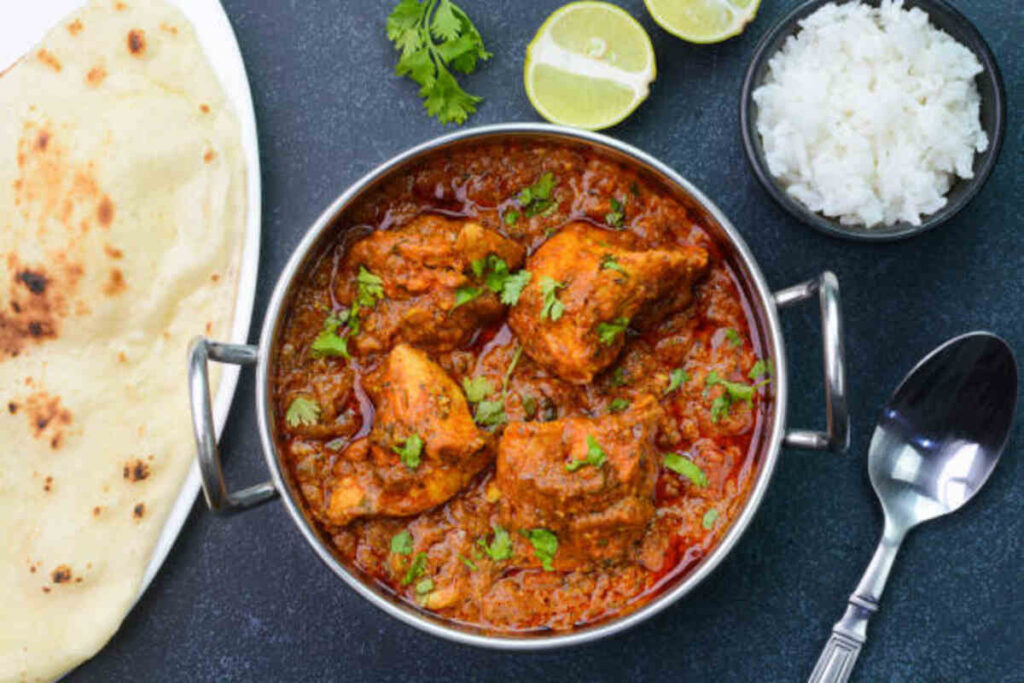
Exploring the Rich Flavors of Meat Masala
There is a distinct kind of magic that happens in the kitchen when the right combination of spices meets a high-quality cut of meat. The air grows thick with earthy, roasted aromas, the sizzle of the pan sings a song of culinary anticipation, and the foundation of a truly unforgettable meal is laid. At the heart of this transformative process lies one essential element: meat masala.
Whether you are a seasoned home chef or a curious culinary explorer, understanding the nuances of a masterfully crafted meat masala is the key to unlocking restaurant-quality curries, stews, and roasts in your own kitchen. This comprehensive guide will take you on a journey through the rich, aromatic world of spices. We will explore the science of flavor extraction, the art of blending, and the expert techniques required to elevate your non-vegetarian dishes from merely good to absolutely extraordinary.


The Soul of Indian Cooking: Understanding Meat Masala
At its core, meat masala is a complex, carefully calibrated symphony of whole spices, roasted and ground to perfection, designed specifically to complement the robust flavors of red meat, poultry, and game. Unlike lighter vegetable spice blends, a high-quality meat masala must stand up to—and enhance—the bold, rich fats and dense proteins found in lamb, beef, mutton, and goat.
Garam Masala vs Meat Spice Powder: Knowing the Difference
One of the most common points of confusion for enthusiastic home cooks is distinguishing between various spice blends. Understanding garam masala vs meat spice powder is crucial for layering flavors correctly.
Garam masala translates directly to “warm spice.” It is typically a highly aromatic, potent blend consisting of “sweet” and warming spices like cinnamon, cardamom, cloves, and nutmeg. It is almost always used as a finishing spice, sprinkled over a dish in the final minutes of cooking to impart a fragrant aroma that would otherwise burn off during a long simmer.
In contrast, a dedicated meat masala is a foundational building block. It contains a higher proportion of base and thickening spices—such as coriander seeds and cumin—alongside heat-inducing elements like dried red chilies and black peppercorns. This robust masala seasoning is added early in the cooking process, allowing it to bloom in oil, coat the protein, and cook down to form a thick, luscious, and deeply flavored gravy.

Sourcing Your Spices: The Foundation of Flavor
The secret to a transcendent culinary experience begins long before you turn on the stove; it begins with sourcing. For the most authentic and vibrant results, you must seek out the freshest whole ingredients available.
When you visit a local masala bazaar and halal meat market, you are doing more than just shopping—you are participating in a centuries-old tradition of sensory evaluation. Look for whole spices that are plump, unbroken, and highly fragrant. Your coriander seeds should have a bright, citrusy scent, your cinnamon bark should be brittle and sweet-smelling, and your dried chilies should be pliable rather than dusty and crumbling. Purchasing from vendors with high turnover ensures that the essential oils within the spices have not dried out over years of sitting on a shelf.
Anatomy of a Perfect Traditional Mutton Curry Spice Mix
Creating a traditional mutton curry spice mix requires a delicate balance of four main components: base spices, heat elements, earthy aromatics, and specialty flavor-enhancers. Let us break down the essential ingredients for rich brown gravy.
1. The Base Builders (Thickening and Volume)
- Coriander Seeds (Dhania): The undisputed backbone of any meat masala. Coriander has a mild, lemony flavor and contains natural starches that thicken the gravy beautifully without making it gluey.
- Cumin Seeds (Jeera): Provides a warm, earthy, and slightly smoky foundation.
2. The Heat Elements (Pungency and Fire)
- Dried Red Chilies (Kashmiri or Byadgi): Kashmiri chilies are prized for imparting a stunning, fiery red hue to the gravy without an overwhelming, mouth-numbing heat.
- Black Peppercorns (Kali Mirch): Offers a sharp, biting heat that lingers pleasantly at the back of the throat.
3. The Warm Aromatics (Depth and Sweetness)
- Black Cardamom (Badi Elaichi): An absolute necessity for meat. It provides an intense, smoky, camphor-like flavor that pairs perfectly with the rich fats of mutton and beef.
- Green Cardamom (Choti Elaichi): Adds a sharp, eucalyptus-like freshness.
- Cloves (Laung) & Cinnamon/Cassia Bark (Dalchini): Introduce warm, woodsy, and subtly sweet notes.
4. The Specialty Spices (The Secret Ingredients)
To truly elevate your blend, you must incorporate regional specialties. Exploring star anise and stone flower uses reveals the secret behind authentic restaurant flavors.
- Star Anise (Chakra Phool): Just one or two distinct pods introduce a highly aromatic, slightly sweet licorice/aniseed flavor. It acts as a natural flavor enhancer, deepening the savory, umami notes of the meat.
- Stone Flower (Kalpasi/Dagad Phool): This unique species of lichen is the secret to authentic Maharashtrian and Chettinad meat masalas. It has no aroma when raw, but when roasted in oil, it releases a profoundly earthy, woody, and almost mushroom-like fragrance that gives brown gravies an irresistible depth.

The Art of Preparation: A Homemade Indian Spice Blend Recipe
While store-bought packets offer convenience, nothing compares to the vibrant intensity of a homemade Indian spice blend recipe. When you make it yourself, you control the heat levels, the freshness, and the specific flavor profile.
The Ideal Ratio of Whole Spices for Curry
Achieving harmony is about respecting the ratio of whole spices for curry. A general master formula for a balanced meat masala relies on the 4:2:1 rule:
- 4 Parts Base: (e.g., 4 tablespoons Coriander seeds)
- 2 Parts Secondary Base/Earthiness: (e.g., 2 tablespoons Cumin seeds)
- 1 Part Heat: (e.g., 1 tablespoon Black Peppercorns, plus 5-6 dried whole chilies)
- 1 Part Complex Aromatics Combined: (e.g., 1 tsp cloves, 1 tsp green cardamom, 2 black cardamoms, 1 inch cinnamon, 1 star anise, a pinch of stone flower, 1 blade of mace).
Aromatic Whole Spice Roasting Techniques
The secret to unlocking the essential oils locked inside whole spices is dry-roasting. Mastering aromatic whole spice roasting techniques prevents bitter, burnt flavors.
- Use Heavy Cookware: A heavy-bottomed cast-iron skillet or thick stainless-steel pan ensures even heat distribution.
- Separate by Size and Density: Never throw all your spices into the pan at once. Dense spices like cinnamon, cloves, and black cardamom take longer to toast. Delicate spices like cumin, coriander, and stone flower will burn if left in the pan for the same duration.
- Low and Slow: Keep your stove on medium-low heat. Stir constantly using a wooden spoon or swirl the pan continuously.
- Listen and Smell: You will know the spices are ready when they become highly fragrant, take on a slightly darker shade, and the cumin seeds begin to pop or dance in the pan.
- Cool Completely: Immediately transfer the roasted spices to a large, cool plate. If left in the hot pan, residual heat will burn them. Wait until they are completely cool to the touch before grinding; otherwise, the heat will create steam inside your grinder, leading to a clumpy, damp powder.
Step-by-Step Spice Grinding Guide
Following a proper step by step spice grinding guide ensures a uniform powder that blends seamlessly into your gravy.
- Ensure your spice grinder or blender jar is bone dry. Even a drop of moisture can ruin the batch.
- Add the cooled, roasted spices to the grinder. For tougher ingredients like cinnamon sticks or turmeric roots, crush them gently in a mortar and pestle first to protect your grinder blades.
- Pulse in short bursts. Blending continuously generates friction and heat, which can cook the spices and alter their flavor profile.
- Sieve the mixture through a fine-mesh strainer if you prefer a silky-smooth gravy. The larger, unground pieces left in the strainer can be tossed back into the grinder for a final blitz.
Understanding the Shelf Life of Freshly Ground Spices
It is tempting to make a massive batch of masala, but it is important to be mindful of the shelf life of freshly ground spices. Unlike commercially processed blends that sit in warehouses for years, freshly ground spices contain volatile oils that dissipate quickly.
- Peak Flavor: The first 3 to 4 weeks.
- Acceptable Use: Up to 3 months.
- Storage Best Practices: Store your newly crafted meat masala in an airtight glass jar (glass does not absorb odors like plastic). Keep it in a cool, dark cupboard away from the stove, as heat and light are the enemies of spice longevity.

Prepping the Protein: Achieving Melt-in-Your-Mouth Textures
Even the most exquisite spice blend cannot salvage poorly prepared meat. Mutton and beef, particularly older or tougher cuts, require careful attention before they ever touch the cooking pot.
Eradicating Unwanted Odors
Gamey meats can sometimes harbor strong, unappetizing odors. Removing raw smell from mutton is a vital preparatory step in traditional Indian kitchens.
- The Turmeric Wash: Coat the raw meat pieces in a generous pinch of turmeric powder, half a teaspoon of salt, and a splash of lemon juice or white vinegar. Let it sit for 10 minutes, then rinse it thoroughly under cold running water. Turmeric is a natural antibacterial agent and an exceptional deodorizer.
- Roasted Gram Flour (Besan): Rubbing the meat with a tablespoon of dry roasted gram flour before rinsing also effectively strips away any unpleasant surface aromas.
Tenderizing Techniques
For cuts rich in connective tissue, you must know how to use spices for tenderizing meat. While cooking methods matter, certain ingredients actively break down tough protein fibers.
- Raw Papaya Paste: The undisputed king of meat tenderizers. Raw papaya contains an enzyme called papain, which breaks down tough meat fibers incredibly fast. Just one tablespoon of raw papaya paste per kilogram of meat is enough.
- Kachri Powder: Made from a wild melon found in Rajasthan, kachri powder is a traditional tenderizer used extensively in dry, arid regions. It not only softens the meat but adds a beautiful, tangy flavor.
- Pineapple Juice: Contains the enzyme bromelain. Use this sparingly and only for short durations, as it can turn meat to mush if left too long.
The Power of the Marinade
Marinating meat for maximum flavor absorption is where your freshly ground meat masala truly shines. A great marinade relies on three pillars: acid, fat, and flavor.
- Acid: Yogurt, lemon juice, or vinegar helps carry the flavors deep into the meat while lightly tenderizing it.
- Fat: A splash of mustard oil or ghee in the marinade acts as a vehicle for fat-soluble flavor compounds present in your spices.
- Flavor: Your homemade meat masala, along with generous amounts of fresh ginger and garlic paste.
Pro Tip: For dense meats like mutton leg or beef chuck, always score the meat with a sharp knife. Deep cuts allow the spiced marinade to penetrate the core of the protein, ensuring every bite is intensely flavorful. Allow the meat to marinate for a minimum of 4 hours, though overnight in the refrigerator is optimal.

Masterful Cooking Techniques for Rich, Deep Flavors
Cooking an exceptional meat curry is an exercise in patience. It is a slow, deliberate layering of flavors that requires your undivided attention, especially in the early stages.
The Bhunao Process: Searing and Caramelizing
The hallmark of a great Indian non-vegetarian dish is the technique of bhunao—the slow roasting of the meat and spices in hot fat. Start by heating mustard oil or ghee. Add your marinated meat and cook it over medium-high heat. The goal here is not to create a gravy yet, but to fry the spices and sear the meat until the oil separates and floats to the surface. This step cooks out the raw taste of the ginger, garlic, and onions, and forces the meat masala to release its deepest, most robust flavors.
Balancing the Base: Acids and Fats
As you build the body of your curry, understanding the role of your base ingredients is vital. Balancing acidity with yogurt or tomatoes dictates the final texture and taste of your dish.
- When to use Tomatoes: Tomatoes bring a sharp, fruity acidity, natural sweetness, and a vibrant red color. They are perfect for lighter, tangier gravies. Always cook tomatoes down until they turn into a deep, dark paste and the oil leaves the sides of the pan.
- When to use Yogurt (Dahi): Yogurt provides a rich, creamy, and velvety texture with a mellow, rounded tang. It is the preferred acid for rich, royal dishes like Korma.
- The Golden Rule: To prevent yogurt from curdling when added to a hot pan, whisk it thoroughly until perfectly smooth, lower the heat of your stove to an absolute minimum, and stir vigorously and continuously as you pour it in. Allow it to come to a gentle simmer before raising the heat again.
Slow Cooking Techniques for Tough Cuts
Once the base is perfectly caramelized, it is time to add liquid and let time do the heavy lifting. Employing slow cooking techniques for tough cuts is the only way to achieve that luxurious, fall-off-the-bone tenderness.
- Dum Pukht (Sealed Cooking): This ancient technique involves placing the meat and gravy in a heavy pot (handi), sealing the lid shut with a ring of wheat dough, and cooking it over a very low flame or hot coals. The meat cooks entirely in its own juices and steam, resulting in unparalleled tenderness and flavor concentration.
- Braising: Simmering the meat partially submerged in liquid over low heat for 2 to 3 hours allows the tough collagen in the meat to melt down into gelatin. This natural gelatin acts as a thickener, transforming your spicy broth into a silky, lip-smacking gravy.
Troubleshooting the Pot: Saving Your Curries
Even the most experienced chefs occasionally make miscalculations. Perhaps your hand slipped while adding chili powder, or the new batch of peppercorns was more potent than expected. Knowing the secrets of fixing over-spiced non-veg gravy is an essential culinary survival skill.
- The Dairy Rescue: Dairy is the ultimate neutralizer for excessive capsaicin (the compound that makes chilies hot). Stirring in a few tablespoons of heavy cream (malai), whisked yogurt, or even a splash of coconut milk can instantly mellow out a fiery curry and tone down overwhelming spice levels.
- The Potato Trick: If your dish is too salty or aggressively spiced, peel a large raw potato, cut it in half, and drop it into the simmering gravy. The porous potato acts like a sponge, absorbing excess salt and harsh spice compounds. Remove and discard the potato before serving.
- Sweet and Sour Balance: Sometimes a curry isn’t necessarily too hot, but rather “muddy” or overly bitter from over-roasted spices. Adding a teaspoon of sugar or jaggery, balanced with a squeeze of fresh lime juice, can brighten the dish and restore harmony to the flavor profile.
- Nut Pastes: Blending a handful of soaked cashews or almonds into a smooth paste and stirring it into the gravy will not only dampen excessive heat but will also add a luxurious, restaurant-style thickness and richness to the dish.
Regional Variations: A Symphony of Diversity
The beauty of meat masala is that there is no single “correct” recipe. As you travel across the Indian subcontinent, the flavor profiles shift dramatically, adapting to local climates, historical influences, and native ingredients.
- North Indian/Mughlai Masala: Tends to rely heavily on warm, sweet aromatics like green cardamom, mace, and nutmeg. The gravies are often enriched with yogurt, cream, and nut pastes, utilizing the meat masala to provide a fragrant, aristocratic depth.
- South Indian/Chettinad Masala: Famous for its fiery heat and complex earthiness. A Chettinad meat masala will prominently feature black peppercorns, star anise, kalpasi (stone flower), fennel seeds, and curry leaves. The resulting gravies are dark, intensely peppery, and utterly mesmerizing.
- Eastern/Bengali Kosha Mangsho: Focuses on the sharp bite of mustard oil paired with a simpler, yet potent spice blend heavily featuring roasted cumin, dried red chilies, and whole garam masala spices tempered in hot oil.
Experimenting with these regional variations by tweaking your homemade spice blend allows you to travel the culinary map right from your own kitchen.
Health Benefits of the Spice Cabinet
Beyond their incredible culinary applications, the ingredients within your meat masala powder are powerful functional foods. Traditional Indian cooking has long viewed spices as both food and medicine.
- Digestion: The heavy fats and proteins in meat can be taxing on the digestive system. Coriander and cumin act as powerful digestive aids, stimulating the secretion of gastric juices and reducing bloating.
- Anti-inflammatory Properties: Cloves, cinnamon, and the turmeric used in the meat wash are packed with potent antioxidants and anti-inflammatory compounds.
- Metabolic Boost: The thermogenic properties of black pepper and red chilies not only add excitement to your palate but can temporarily boost your metabolic rate.
Conclusion: Embrace the Journey of Flavor
Mastering the use of meat masala is a transformative journey that forever alters how you approach cooking. It moves you away from the mundanity of measuring spoons and pre-packaged boxes, and invites you to engage your senses—to smell the roasting coriander, to hear the crackle of cumin in hot oil, and to taste the nuanced layers of a deeply simmered, richly spiced gravy.
By sourcing the finest ingredients, understanding the distinct roles of base spices and aromatics, and employing expert techniques for roasting, grinding, and slow-cooking, you are not just preparing a meal. You are honoring a rich culinary heritage and bringing a symphony of bold, unforgettable flavors to your dining table.
So, clear out your spice cabinet, head to your local market, and begin experimenting. The perfect meat curry is waiting for you to create it, one fragrant spoonful of masala at a time.