
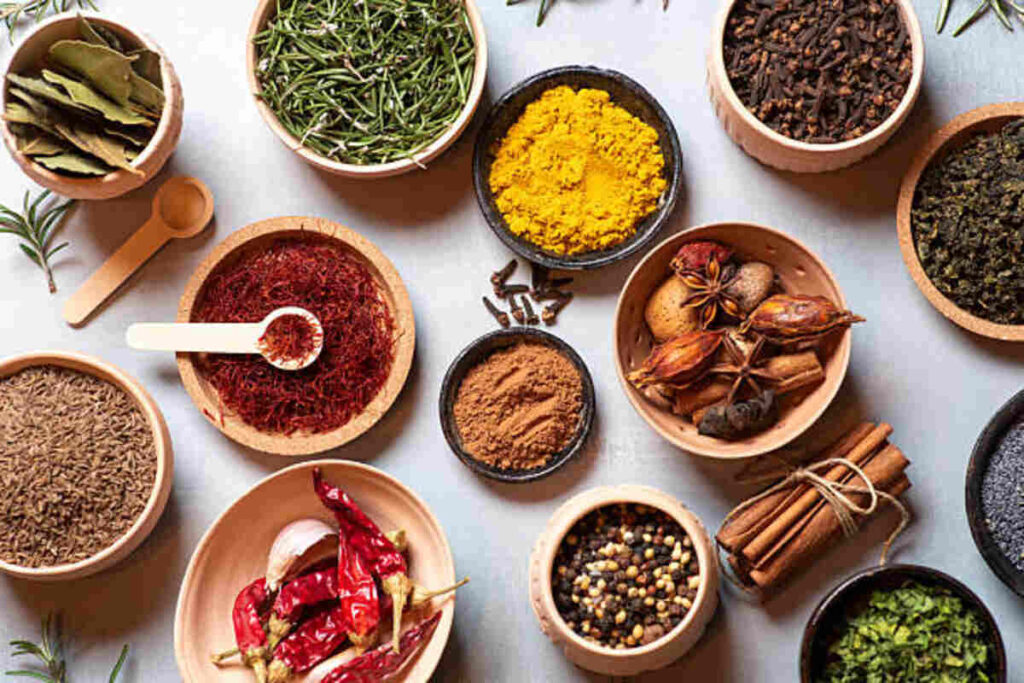
Health Benefits of Common Kitchen Spices
A spice rack is a small library of flavor. It gives you heat, sweetness, fragrance, color, and depth without relying only on salt, sugar, or heavy sauces. Better still, many common spices contain plant compounds that have been studied for antioxidant, anti-inflammatory, digestive, or metabolic effects. The key is to think like a wise cook, not a pill chaser: use spices often, use them in food amounts, and treat concentrated capsules, oils, extracts, and “therapeutic” doses as a conversation for your clinician. The FDA recognizes spices as ingredients whose main function is seasoning rather than nutrition, and dietary supplements are regulated differently from medicines, so supplement claims deserve extra caution. (fda.gov)
If you searched for spices name, spice names, or a practical list of common spices, this guide gives you the quick names first, then walks through health benefits, everyday kitchen uses, and simple safety notes.
Quick answer: common kitchen spice names
Here are popular spice names you’ll see in home kitchens, grocery aisles, and recipe cards:
- Allspice
- Anise seed
- Bay leaf
- Basil
- Black pepper
- Cardamom
- Cayenne pepper
- Celery seed
- Chili powder
- Cinnamon
- Cloves
- Coriander seed
- Cumin
- Curry powder
- Dill seed or dried dill
- Fennel seed
- Fenugreek
- Garlic powder
- Ginger
- Mustard seed
- Nutmeg
- Onion powder
- Oregano
- Paprika
- Parsley
- Red pepper flakes
- Rosemary
- Saffron
- Sage
- Star anise
- Thyme
- Turmeric
- White pepper
A smart spice cabinet does not need every jar on earth. Start with 8 to 12 common spices you will actually use, then build from there: black pepper, cinnamon, garlic powder, ginger, cumin, paprika, oregano, turmeric, chili powder, thyme, rosemary, and bay leaf will cover a remarkable amount of cooking.
Before the list: the golden safety rule for spices
Food amounts are different from supplement amounts. A pinch of cinnamon in oatmeal, a teaspoon of cumin in chili, or a few slices of ginger in tea is not the same as taking high-dose capsules every day. Many herbs and spices are widely used in foods, but the safety picture can change with extracts, essential oils, concentrated powders, pregnancy, breastfeeding, liver disease, bleeding disorders, surgery, diabetes medicines, blood thinners, or multiple prescriptions. NCCIH advises discussing herbs and supplements with a health professional because interactions can occur, and the FDA notes that supplements can have strong biological effects that may conflict with medicines or medical conditions. (nccih.nih.gov)
Also, spices are helpers, not miracle workers. They can make healthy meals more enjoyable, support variety, and help you use less sodium. The American Heart Association specifically recommends herbs, spices, citrus, vinegars, onions, and garlic as flavor tools that can replace some or all added salt. (heart.org)
1. Turmeric
Turmeric is the golden-yellow spice behind many curries, rice dishes, soups, and marinades. Its best-known compound is curcumin, which is often discussed for inflammation-related research, especially joint health. NCCIH notes that turmeric and curcumin have been studied for osteoarthritis, cholesterol, nonalcoholic fatty liver disease, and other uses, but the evidence is not strong enough to treat turmeric as a proven cure. (nccih.nih.gov)
Typical uses: curries, lentil soup, golden milk, roasted cauliflower, chicken rubs, rice, eggs, and smoothies.
Food-use idea: Add 1/4 to 1 teaspoon to a pot, sauce, or roasted vegetable tray. Pair with black pepper and fat, such as olive oil or coconut milk, for flavor and better culinary performance.
Simple safety note: Turmeric in food is usually reasonable for most people. Be more cautious with high-dose curcumin supplements, especially those formulated with piperine or enhanced absorption. NCCIH reports liver damage in some people using highly bioavailable curcumin products and says turmeric supplements during pregnancy may be unsafe. (nccih.nih.gov)
2. Ginger
Ginger is warm, peppery, and bright. It is one of the most useful common spices because it works in both sweet and savory dishes. Ginger has been studied most notably for nausea and vomiting, including pregnancy-related nausea, and also for menstrual cramps and knee osteoarthritis symptoms, though study quality varies. (nccih.nih.gov)
Typical uses: ginger tea, stir-fries, soups, marinades, curries, baked goods, oatmeal, smoothies, and salad dressings.
Food-use idea: Use fresh grated ginger for brightness or dried ginger for deeper warmth. Start with 1/4 teaspoon dried ginger or 1 teaspoon fresh grated ginger, then adjust.
Simple safety note: Ginger can cause heartburn, abdominal discomfort, diarrhea, or mouth and throat irritation in some people. NCCIH says ginger supplements during pregnancy may be safe, but pregnant people should still consult a health care provider before using ginger supplements. (nccih.nih.gov)
3. Cinnamon
Cinnamon gives sweetness without adding sugar, which makes it a favorite for oatmeal, apples, coffee, yogurt, and baked goods. It is often promoted for blood sugar support, but it should not replace diabetes care, glucose monitoring, medication, or a balanced eating plan. Cinnamon also contains polyphenols and aromatic compounds that contribute to its flavor and antioxidant activity. (nccih.nih.gov)
Typical uses: oatmeal, French toast, smoothies, baked apples, chili, Moroccan-style stews, coffee, tea, and roasted squash.
Food-use idea: Use 1/4 to 1 teaspoon in recipes where you want perceived sweetness and warmth.
Simple safety note: Cassia cinnamon, the most common type in North America, contains coumarin, which may be a concern with prolonged heavy use, especially for people with liver disease. NCCIH notes that Ceylon cinnamon has only trace coumarin, and that larger-than-food amounts during pregnancy or breastfeeding deserve caution. (nccih.nih.gov)
4. Garlic powder
Garlic powder is not glamorous, but it is a kitchen workhorse. It gives savory depth to beans, vegetables, meats, sauces, soups, and dips. Garlic supplements have been studied for cholesterol, blood pressure, and blood sugar, with NCCIH describing small potential effects in some groups, but food-use garlic powder is best viewed as a flavor and meal-quality tool. (nccih.nih.gov)
Typical uses: roasted vegetables, salad dressings, chili, taco seasoning, pasta sauce, hummus, soups, meat rubs, and garlic bread.
Food-use idea: Use 1/4 to 1 teaspoon in sauces, soups, or rubs. Garlic powder is more concentrated than fresh garlic, so begin modestly.
Simple safety note: Garlic in food is usually well tolerated, though it may cause digestive discomfort or odor. Garlic supplements may increase bleeding risk, especially with anticoagulants, aspirin, or before surgery, and NCCIH says garlic may not be safe in amounts greater than food amounts during pregnancy or breastfeeding. (nccih.nih.gov)
5. Black pepper
Black pepper is the “wake-up” spice. It sharpens dull flavors and adds heat without turning a dish into hot sauce. Its signature compound, piperine, is also why black pepper is often paired with turmeric: piperine can improve curcumin bioavailability. That can be helpful in a food context, but it also explains why concentrated piperine supplements may matter for medication interactions. (nccih.nih.gov)
Typical uses: almost everything savory, from eggs and soups to salads, pasta, roasted vegetables, fish, chicken, and sauces.
Food-use idea: Grind pepper fresh at the end of cooking for aroma, or bloom it in oil for deeper heat.
Simple safety note: Normal culinary use is different from black pepper extract or piperine capsules. If you take prescription medicines, especially narrow-therapeutic-window drugs, ask a pharmacist before using piperine supplements.
6. Cayenne pepper and red pepper flakes
Cayenne and red pepper flakes bring heat through capsaicin, the compound that gives chili peppers their burn. Capsaicin is also used topically in some pain-relief products, which is why chili peppers are often discussed for more than flavor. In food, their biggest practical benefit is simple: they make vegetables, beans, soups, and lean proteins exciting. (mskcc.org)
Typical uses: chili, tacos, eggs, soups, roasted chickpeas, marinades, hot honey, pasta, pizza, and dry rubs.
Food-use idea: Start with a pinch. You can always add heat; removing it is much harder.
Simple safety note: Spicy foods can aggravate reflux, gastritis symptoms, mouth irritation, or diarrhea in sensitive people. MSKCC notes that foods with capsaicin are generally safe to eat, but you should talk with health care providers before taking capsaicin supplements. (mskcc.org)
7. Paprika
Paprika is made from dried, ground red peppers. It can be sweet, smoked, or hot, depending on the variety. It brings color, gentle pepper flavor, and sometimes smoky depth. Because it is pepper-based, paprika contributes carotenoid pigments and other plant compounds, though its health value comes mainly from helping you enjoy simple foods like beans, potatoes, eggs, and vegetables. (pmc.ncbi.nlm.nih.gov)
Typical uses: deviled eggs, roasted potatoes, chicken rubs, goulash, stews, rice, hummus, fish, and sauces.
Food-use idea: Bloom paprika briefly in oil to release color and aroma, but avoid scorching it because it can turn bitter.
Simple safety note: Most people tolerate paprika in culinary amounts. If you are sensitive to nightshades or hot peppers, choose sweet paprika or skip it. Watch sodium in commercial spice blends that include paprika.
8. Cumin
Cumin is earthy, warm, and slightly smoky. It is central to Mexican, Indian, Middle Eastern, and North African cooking. Like many common spices, cumin contains aromatic and phenolic compounds that have been studied for antioxidant activity, but the most reliable everyday benefit is that it makes fiber-rich foods taste satisfying. (pmc.ncbi.nlm.nih.gov)
Typical uses: chili, tacos, lentils, chickpeas, curries, soups, roasted carrots, rice, kebabs, and yogurt sauces.
Food-use idea: Toast whole cumin seeds in a dry pan until fragrant, or use 1/2 to 1 teaspoon ground cumin in beans, soups, and spice rubs.
Simple safety note: Culinary amounts are generally reasonable. Avoid taking cumin supplements as a blood sugar or weight-loss treatment without medical guidance, especially if you use diabetes medications or are pregnant.
9. Coriander seed
Coriander seed comes from the same plant that gives us cilantro leaves, but the seed tastes warmer, citrusy, and gently floral. It is a quiet spice that makes other flavors feel more rounded. Coriander is often used in spice blends because it bridges earthy, sweet, and bright notes. (pmc.ncbi.nlm.nih.gov)
Typical uses: curries, pickles, soups, stews, roasted vegetables, sausages, spice rubs, and lentils.
Food-use idea: Crush whole coriander seeds just before cooking for the best aroma. Pair with cumin for a classic base.
Simple safety note: Food amounts are usually well tolerated. People with allergies to related plants or spice blends should be careful and read labels. If using coriander supplements, treat them as supplements, not as seasoning.
10. Cardamom
Cardamom is fragrant, sweet, cooling, and complex. A little can make tea, coffee, rice, pastries, and curries taste luxurious. It has a long history in traditional cooking systems and contains aromatic oils that contribute to its distinctive scent. (pmc.ncbi.nlm.nih.gov)
Typical uses: chai, coffee, rice pudding, curries, Scandinavian baked goods, stewed fruit, and spice blends.
Food-use idea: Use a tiny pinch of ground cardamom in sweet dishes or lightly crush whole pods for teas and rice.
Simple safety note: Culinary amounts are generally fine for most people. Cardamom essential oil and concentrated extracts are a different category; avoid medicinal dosing during pregnancy, breastfeeding, or while taking multiple medications unless a clinician approves.
11. Cloves
Cloves are powerful. Their main aromatic compound is eugenol, which explains their numbing, warming character. Cloves are also among the spices often highlighted for antioxidant activity in food science reviews. Because the flavor is intense, you need very little. (ncbi.nlm.nih.gov)
Typical uses: chai, mulled cider, baked ham, pumpkin pie spice, rice dishes, stews, poached fruit, and holiday baking.
Food-use idea: Use whole cloves when you want aroma without grit, but count them so you can remove them before serving.
Simple safety note: Ground cloves in food are not the same as clove oil. Concentrated clove oil can irritate tissue, and high-dose eugenol exposure can be risky. People with bleeding disorders, people taking blood thinners, and pregnant or breastfeeding people should avoid medicinal clove use unless guided by a professional. (drugs.com)
12. Nutmeg
Nutmeg is sweet, warm, and slightly peppery. It is wonderful in cream sauces, greens, squash, oats, custards, and baked goods. But nutmeg is also the spice where “more” can become genuinely unsafe. High doses can cause intoxication because of compounds such as myristicin. (medlineplus.gov)
Typical uses: béchamel, spinach, pumpkin pie, eggnog, oatmeal, sweet potatoes, rice pudding, and spice cakes.
Food-use idea: Grate a tiny amount fresh. A pinch is often enough.
Simple safety note: Do not take nutmeg by the spoonful or use it recreationally. MedlinePlus describes myristica oil poisoning symptoms, and published reviews report neuropsychological symptoms after high nutmeg intake. Keep nutmeg away from children who might experiment with it. (medlineplus.gov)
13. Mustard seed
Mustard seed is sharp, nutty, and pungent. When heated in oil, it pops and releases a deep, toasted flavor. Mustard contains glucosinolates and isothiocyanates, compounds that are also found in cruciferous vegetables and contribute to its distinctive bite. (pmc.ncbi.nlm.nih.gov)
Typical uses: pickles, curries, vinaigrettes, potato salad, spice rubs, lentils, cabbage, and homemade mustard.
Food-use idea: Toast whole mustard seeds briefly in oil before adding vegetables or legumes.
Simple safety note: Mustard can trigger allergy in some people and is recognized as an important allergen in several countries, even though it is not one of the U.S. FDA’s major food allergens. Avoid medicinal mustard seed use during pregnancy or breastfeeding unless medically supervised. (my.clevelandclinic.org)
14. Fenugreek
Fenugreek has a maple-like aroma and a slightly bitter, savory flavor. It appears in curry powders, spice blends, pickles, and some breads. Fenugreek has been studied for blood sugar effects in people with type 2 diabetes, but NCCIH notes many studies have not been high quality. (nccih.nih.gov)
Typical uses: curries, lentils, pickles, chutneys, spice blends, and vegetable dishes.
Food-use idea: Use small amounts; too much can make food bitter.
Simple safety note: Fenugreek deserves more caution than many common spices. NCCIH says large doses may cause a harmful drop in blood sugar and that fenugreek is not safe during pregnancy in amounts greater than those found in food. It can also interact with medicines, so ask your clinician before using fenugreek supplements. (nccih.nih.gov)
15. Fennel seed
Fennel seed tastes sweet, herbal, and lightly licorice-like. It is often used after meals in some food traditions and appears in sausages, breads, sauces, and spice blends. Its fragrant oils make simple vegetables and beans feel more polished. (pmc.ncbi.nlm.nih.gov)
Typical uses: Italian sausage, tomato sauce, roasted carrots, cabbage, breads, teas, curries, fish, and pickles.
Food-use idea: Crush fennel seed before adding it to sauces or rubs so the flavor opens up.
Simple safety note: Culinary amounts are typically reasonable. Avoid concentrated fennel oil or high-dose supplements during pregnancy, breastfeeding, hormone-sensitive conditions, or medication use unless a clinician says it is appropriate.
16. Bay leaf
Bay leaf is subtle but powerful. It does not shout; it rounds out soups, sauces, grains, and braises with a savory herbal background. Bay is often used whole and removed before eating.
Typical uses: soups, stocks, tomato sauce, beans, lentils, rice, stews, pot roast, and pickling brines.
Food-use idea: Add one or two whole leaves to long-cooked dishes, then remove before serving.
Simple safety note: Whole bay leaves remain stiff and can be a choking or scratching hazard if swallowed. Use them for infusion and remove them. Avoid bay essential oil or medicinal extracts unless professionally supervised.
17. Oregano
Oregano is bold, peppery, and slightly bitter. It is one of the most useful dried herbs for everyday cooking and pairs beautifully with tomato, olive oil, lemon, beans, poultry, and roasted vegetables. Oregano contains phenolic compounds that contribute to its antioxidant profile. (pmc.ncbi.nlm.nih.gov)
Typical uses: pizza, pasta sauce, Greek salads, roasted vegetables, chicken, beans, soups, and marinades.
Food-use idea: Crush dried oregano between your fingers before adding it to release aroma.
Simple safety note: Oregano as a food seasoning is different from oregano oil. Oregano oil is concentrated and can irritate the mouth, stomach, or skin. Avoid high-dose oregano products during pregnancy or while taking medications unless cleared by a clinician.
18. Thyme
Thyme is earthy, floral, and savory. It works well in slow-cooked dishes and is excellent with mushrooms, poultry, beans, onions, carrots, and potatoes. Thyme is also among culinary herbs studied for antioxidant compounds, including phenolic acids. (pmc.ncbi.nlm.nih.gov)
Typical uses: soups, stews, roasted chicken, potatoes, mushrooms, beans, stocks, and stuffing.
Food-use idea: Add dried thyme early in cooking so it softens and infuses the dish.
Simple safety note: Culinary thyme is usually fine. Thyme essential oil and concentrated supplements can be irritating and should not be swallowed casually. Pregnant or breastfeeding people should stay with food amounts unless a clinician advises otherwise.
19. Rosemary
Rosemary is piney, resinous, and strong. It loves potatoes, chicken, lamb, beans, bread, citrus, and olive oil. Rosemary contains rosmarinic acid and other compounds studied for antioxidant activity, but in the kitchen its greatest virtue is making simple roasted foods smell irresistible. (pmc.ncbi.nlm.nih.gov)
Typical uses: roasted potatoes, focaccia, chicken, lamb, white beans, soups, marinades, and infused olive oil.
Food-use idea: Chop rosemary finely; large needles can be tough. Use a light hand because it can dominate.
Simple safety note: Rosemary has GRAS status when used as food, but sources advise avoiding doses above food amounts because safety and effectiveness are not proven. Be careful with rosemary oil, extracts, or supplements if pregnant, breastfeeding, or taking medications. (drugs.com)
20. Sage
Sage tastes earthy, savory, and slightly minty. It is a classic with poultry, beans, winter squash, brown butter, and stuffing. NCCIH notes that sage is used in cooking and that only small amounts of research have examined its health effects, including menopause symptoms and cognition. (nccih.nih.gov)
Typical uses: stuffing, turkey, white beans, squash, browned butter sauces, pork, mushrooms, and savory breads.
Food-use idea: Use a small pinch of dried sage or a few fresh leaves. It becomes overpowering quickly.
Simple safety note: Sage is likely safe in amounts commonly found in foods, but common sage contains thujone, which can be toxic in large amounts. NCCIH says sage may be unsafe in high doses, for long periods, or during pregnancy. (nccih.nih.gov)
21. Basil
Basil is sweet, peppery, and fresh. While many people think of basil as an herb rather than a spice, dried basil often sits in the spice rack with other common spices. It helps turn basic meals into Mediterranean-style meals with very little effort.
Typical uses: tomato sauce, pesto-style dishes, soups, salads, roasted vegetables, chicken, fish, and pasta.
Food-use idea: Add dried basil during cooking, but add fresh basil at the end to preserve aroma.
Simple safety note: Basil in food amounts is generally reasonable. Avoid concentrated basil essential oil or medicinal extracts during pregnancy, breastfeeding, or while managing medical conditions unless guided by a qualified professional.
22. Parsley
Parsley is grassy, fresh, and clean. Dried parsley is mild, while fresh parsley is much more vivid. It may not taste as dramatic as cumin or cinnamon, but it brightens heavy dishes and makes meals feel more balanced.
Typical uses: soups, stews, eggs, potatoes, fish, chicken, salads, sauces, and grain bowls.
Food-use idea: Use dried parsley for background color and fresh parsley for finishing.
Simple safety note: Parsley has GRAS status when used as food, but amounts greater than food amounts should be avoided because safety and efficacy are unproven. Pregnant people should not use parsley seed, parsley oil, or concentrated parsley products unless supervised. (drugs.com)
23. Allspice
Allspice tastes like a blend of cinnamon, clove, nutmeg, and pepper, even though it is a single spice. It appears in Caribbean, Middle Eastern, Latin American, and holiday recipes.
Typical uses: jerk seasoning, stews, meatballs, pickles, pumpkin desserts, cakes, and spiced drinks.
Food-use idea: Use a pinch in savory meat dishes or sweet baked goods. Whole allspice berries are excellent in brines.
Simple safety note: Allspice is best kept to culinary amounts. Drugs.com notes that ingestion beyond amounts found in food should be avoided because safety and efficacy are unproven. (drugs.com)
24. Saffron
Saffron is floral, honeyed, earthy, and famously potent. It is expensive because it comes from hand-harvested flower stigmas, so recipes usually call for only a few threads. It is more of a special-occasion spice than an everyday staple, but it belongs on any serious spice names list.
Typical uses: paella, risotto, biryani, Persian rice, seafood stews, milk desserts, and tea.
Food-use idea: Steep a few threads in warm water, milk, or broth before adding them to a dish.
Simple safety note: Keep saffron to food amounts. Avoid high-dose saffron supplements during pregnancy, breastfeeding, mood medication use, or before surgery unless your clinician approves.
25. Curry powder and chili powder
Curry powder and chili powder are spice blends, not single spices. That makes them convenient, but it also means the ingredient list matters. Curry powder may include turmeric, coriander, cumin, fenugreek, ginger, mustard, black pepper, and chili. Chili powder often includes ground chiles, cumin, garlic, oregano, and salt.
Typical uses: soups, beans, roasted vegetables, chicken, rice, tacos, lentils, marinades, and sauces.
Food-use idea: Bloom blends in oil for 30 to 60 seconds before adding liquids, but do not burn them.
Simple safety note: Check labels for added salt, anti-caking agents, hidden allergens, and heat level. If you are pregnant, on blood thinners, using diabetes medication, or managing liver disease, avoid concentrated “curry extract” or “fat burner” spice supplements.
How to build a healthier spice habit
- Choose flavor before supplements. Cook with common spices daily, but be cautious with capsules, tinctures, essential oils, and high-dose extracts.
- Start small. A pinch can transform a dish; a tablespoon of the wrong spice can ruin it.
- Use spices to reduce salt. Try garlic powder, onion powder, smoked paprika, cumin, chili, oregano, thyme, lemon, and vinegar before reaching for more salt. (heart.org)
- Store spices well. Keep them away from heat, light, and moisture. If a spice smells like dust, it will taste like dust.
- Respect pregnancy and medication interactions. In pregnancy and breastfeeding, food amounts are usually a different conversation than medicinal amounts. If you take blood thinners, diabetes drugs, blood pressure medicines, immune-suppressing drugs, cancer therapies, or multiple prescriptions, ask a clinician or pharmacist before using spice supplements.
Final takeaway
The health benefits of common kitchen spices are best understood as cumulative, culinary, and supportive. Turmeric, ginger, cinnamon, garlic, cumin, oregano, rosemary, and other spice names can make vegetables more appealing, help you cook with less sodium, add antioxidant-rich plant compounds, and bring joy back to simple meals. But the Writing Guru rule is this: season generously, supplement carefully, and never confuse a spice jar with a prescription bottle.