


Nutritional Benefits of Rohu Fish Consumption
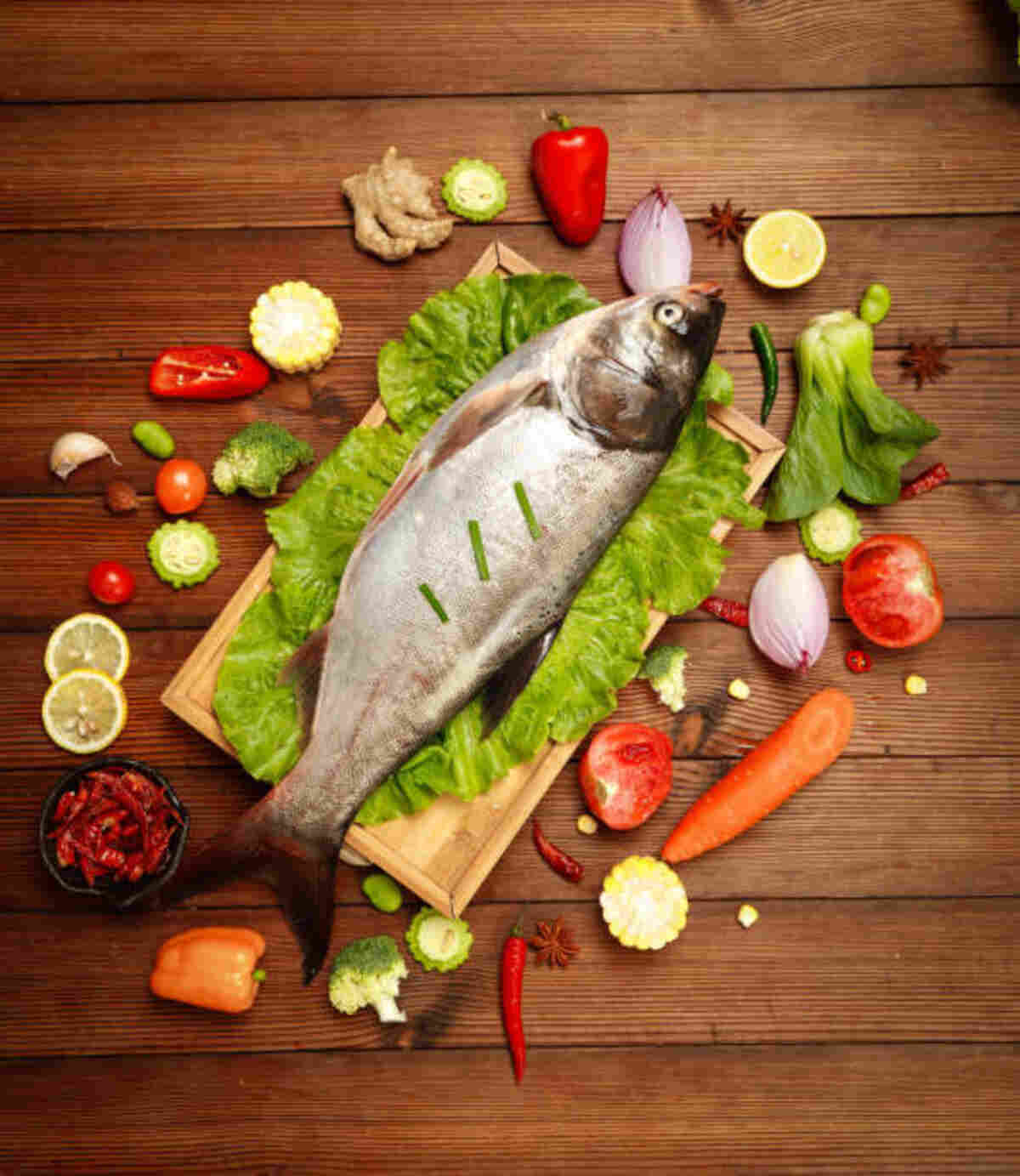
When we think of nutrient-dense seafood, ocean-dwelling species like salmon or tuna often steal the spotlight. However, the freshwater ecosystems of South Asia boast some of the most remarkable, flavor-packed, and highly nutritious aquatic life in the world. Among these, the magnificent rohu fish stands out as a dietary staple with incredible health benefits. Known scientifically as Labeo rohita, this species is more than just a culinary favorite in India, Bangladesh, Pakistan, and Nepal; it is an accessible, sustainable powerhouse of essential macro and micronutrients.
Whether you are a fitness enthusiast looking to optimize your protein intake, a home cook eager to try traditional South Asian curries, or an aquaculture hobbyist seeking to understand pond dynamics, understanding the multifaceted benefits of this fish will elevate your approach to nutrition and food sourcing.

In this comprehensive guide, we will explore the extensive nutritional profile of rohu, unpack its numerous health benefits, provide step-by-step culinary preparation techniques, and even dive into sustainable farming methods for those interested in aquaculture.
What is Rohu Fish? An Ecological and Cultural Overview
The rohu fish is an integral part of the South Asian aquatic ecosystem. Belonging to the carp family (Cyprinidae), it thrives in freshwater rivers, lakes, and aquaculture ponds. It is classified as an Indian major carp, a prestigious category of economically and culturally significant freshwater fish.
In terms of regional nomenclature, this fish connects deeply with local culinary traditions. In Hindi, Bengali, and Odia, it is universally known as rohu or rui. If you are exploring local markets in South India and searching for “rohu fish in telugu,” you will find it commonly referred to as Silaavathi or simply Rohu.
Understanding the Indian Major Carps
To truly appreciate rohu, it helps to understand its place within its ecosystem. It is primarily a column feeder, meaning it finds its nourishment in the middle layers of the water. This dietary habit naturally brings up the fascinating difference between catla and mrigal, its two closest aquatic companions. While catla is a surface feeder boasting a large, upturned mouth designed to skim zooplankton from the top layer of water, the mrigal is a bottom feeder, scouring the pond floor for detritus and decaying organic matter. Rohu sits perfectly in the middle, feeding on algae and aquatic plants, which contributes directly to its clean, slightly sweet flavor profile and distinct nutritional composition.

The Exceptional Labeo Rohita Nutritional Profile
The true magic of this fish lies beneath its shimmering silver and reddish scales. The Labeo rohita nutritional profile is nothing short of exceptional, offering a balanced matrix of high-quality proteins, essential fats, and vital micronutrients that cater to a wide array of dietary requirements.
1. High-Quality Protein Density
When evaluating the protein density of white meat fish, rohu ranks impressively high. A standard 100-gram serving of raw rohu provides approximately 16 to 18 grams of highly bioavailable protein. Unlike plant-based proteins, the protein found in this freshwater carp is “complete,” meaning it contains all nine essential amino acids required by the human body for optimal functioning.
These amino acids are the building blocks of life, crucial for:
- Muscle Hypertrophy and Repair: Essential for athletes and individuals recovering from physical injuries.
- Enzyme Production: Facilitating thousands of biochemical reactions daily.
- Hormone Regulation: Providing the structural foundations for peptide hormones like insulin.
2. The Power of Essential Fatty Acids
While ocean fish are highly praised for their lipid profiles, the omega-3 content in South Asian river species is highly underrated. Rohu contains significant amounts of Eicosapentaenoic Acid (EPA) and Docosahexaenoic Acid (DHA), two potent forms of omega-3 fatty acids.
Though leaner than a fatty marine fish, rohu provides enough of these vital lipids to offer substantial anti-inflammatory benefits. For populations whose diets heavily feature omega-6 fatty acids (often found in vegetable cooking oils), incorporating rohu acts as a necessary balancing agent, reducing systemic inflammation.
3. A Rich Source of Vitamins and Minerals
Beyond macros, rohu is a treasure trove of essential vitamins and minerals:
- Vitamin C: Uniquely high for a fish, aiding in immune function and collagen synthesis.
- Vitamin D: Crucial for bone health and calcium absorption, often deficient in modern indoor populations.
- B-Complex Vitamins: Rich in B12 (cobalamin), B6, and Niacin, which are vital for nerve health and converting food into usable energy.
- Iron and Zinc: Essential for preventing anemia, promoting optimal blood oxygen transport, and supporting a robust immune response.
- Selenium: A powerful antioxidant that helps protect cellular integrity from oxidative stress.
4. Low Heavy Metal Accumulation
A significant concern for modern seafood consumers is the accumulation of heavy metals, particularly mercury, in fish tissue. Because rohu primarily occupies the middle of the food chain as an herbivorous and omnivorous column feeder—and is harvested relatively young in aquaculture setups—it acts as one of the best low mercury freshwater fish options available today. This makes it a highly safe and recommended protein source for pregnant women, nursing mothers, and young children.
Evidence-Based Health Benefits of Eating Rohu Fish
Incorporating this incredible freshwater carp into your weekly meal rotation can lead to a multitude of physiological benefits.
Cardiovascular Health and Cholesterol Management
Heart disease remains a leading cause of mortality globally. The specific lipid profile of rohu works synergistically to protect cardiovascular health. The omega-3 fatty acids help lower blood triglyceride levels, prevent the aggregation of platelets (which can lead to blood clots), and subtly lower blood pressure. Furthermore, substituting red meat with this lean fish reduces the intake of saturated fats, helping to balance LDL (bad cholesterol) and HDL (good cholesterol) ratios.
Cognitive Preservation and Neurological Development
DHA, an omega-3 fatty acid present in rohu, is a primary structural component of the human brain and cerebral cortex. Regular consumption aids in neuroprotection, potentially slowing the cognitive decline associated with aging, Alzheimer’s disease, and dementia. For children and adolescents, these same nutrients are foundational for brain development, improving focus, memory retention, and learning capacity.
Joint Health and Arthritis Relief
The anti-inflammatory properties of rohu are a boon for individuals suffering from joint pain or rheumatoid arthritis. By inhibiting the production of inflammatory eicosanoids and cytokines, the nutrients in this fish can help reduce morning stiffness, swelling, and joint tenderness.
Enhancing Skin Vitality and Hair Strength
The combination of Vitamin C, complete proteins, and omega-3 fats makes rohu the ultimate “beauty food.” The protein provides the keratin and collagen precursors necessary for hair and skin structural integrity. The lipids keep the epidermal barrier hydrated, preventing dry, flaky skin, while the antioxidants fight off free radicals that contribute to premature aging and wrinkles.

Sourcing and Selecting the Best Quality Catch
To reap these nutritional benefits, you must start with a high-quality product. Many consumers often wonder, “Where can I find fresh rohu fish near me?” The answer usually lies in local Asian supermarkets, specialized fishmongers, or direct-to-consumer farm delivery services. However, simply finding a vendor is only the first step; assessing the quality is paramount.
Understanding Seasonal Dynamics
While farmed rohu is available year-round, wild-caught variants follow natural cycles. The seasonal availability of river water catches generally peaks post-monsoon (from September to December in South Asia). During this period, the rivers are flush with natural food sources, leading to plumper, more flavorful fish. The post-monsoon catch is highly prized for its tender texture and rich, naturally sweet fat deposits.
Expert Tips for Identifying Fresh Carp
Whether you are buying whole fish or pre-cut steaks, use these sensory tips for identifying fresh carp to ensure you are getting the best quality:
- Examine the Eyes: The eyes should be crystal clear, bright, and slightly bulging. Cloudy, sunken, or milky eyes indicate that the fish has been sitting for too long.
- Inspect the Gills: Lift the gill cover (operculum). Fresh rohu will have bright, vibrant red or deep pink gills. If the gills are brown, pale, or slimy, skip the purchase.
- Check the Scales and Skin: The skin should have a natural, metallic sheen and a slightly slippery (but not excessively slimy) protective coating. The scales should be tightly adhering to the body. If scales are flaking off easily, the fish is old.
- The Smell Test: Fresh freshwater fish should smell like a clean river or a fresh pond—slightly earthy, but never overly “fishy,” sour, or reminiscent of ammonia.
- Assess Firmness: Gently press the flesh of the fish with your finger. It should feel firm and spring back immediately. If your fingerprint leaves a permanent indentation, the cellular structure of the fish is degrading.
Preparation and Cleaning Techniques
Carp species, including rohu, have a reputation for being slightly challenging to prepare due to their bone structure. However, with the right techniques, processing the fish becomes a straightforward task.
How to Clean Freshwater Carp Properly
Cleaning a whole rohu requires a sharp fillet knife, a descaler, and a clean workspace. Here is a step-by-step methodology:
- Scaling: Lay the fish flat on a cutting board. Using a fish scaler or the back (blunt edge) of a heavy knife, scrape from the tail toward the head. Use short, firm strokes to remove all the scales. Rinse the fish thoroughly under cold running water to wash away loose scales.
- Removing the Fins: Use a pair of heavy-duty kitchen shears to snip off the dorsal (top), pectoral (side), pelvic (bottom), and anal fins. This prevents accidental finger pricks.
- Gutting: Make a shallow incision from the vent (the small opening near the tail) all the way up the belly to the base of the gills. Be careful not to puncture the internal organs, especially the gallbladder, as the bile will impart an intensely bitter taste to the meat.
- Cleaning the Cavity: Pull out the innards and discard them. Inside the belly cavity, you will notice a dark red line running along the spine—this is the kidney (often called the bloodline). Use the tip of your thumb or a spoon to scrape this out under cold running water until the cavity is pristine.
- Removing the Gills: If you plan to cook the fish whole or use the head for stock, you must cut out the gills completely, as they can harbor impurities and impart a bitter flavor.

How to Remove Pin Bones from Carp
One of the most common complaints about carp is the presence of intramuscular “Y-bones” or pin bones. These small, free-floating bones run through the fillets.
To manage them:
- The “Scoring” Technique: For frying, traditional cooks make deep, vertical slits (scoring) along the flesh of the fish, spaced about 1/4 inch apart. When deep-fried or pan-fried in hot oil, the high heat penetrates these slits and literally dissolves or crisps the tiny, hair-like Y-bones, making them safe and unnoticeable to eat.
- Manual Removal: If you are making fish cakes or a boneless curry, fillet the fish first. Run your fingers gently down the center line of the fillet to locate the tips of the pin bones. Using clean fish tweezers, grip the tip of the bone, press down gently on the surrounding flesh, and pull the bone out in the direction it is naturally pointing to avoid tearing the meat.
Culinary Delights: Cooking with Rohu
The firm texture and naturally sweet, mild flavor of rohu make it incredibly versatile in the kitchen. Unlike delicate ocean fish that fall apart easily, rohu holds its structure brilliantly during slow braising and simmering, universally cementing its status as the best river water species for curry.
The Crown Jewel: Traditional Bengali Macher Jhol Recipe
No discussion about rohu is complete without detailing the iconic Bengali Macher Jhol (Fish Curry). This light, highly nutritious, and immensely flavorful stew is a daily staple in Eastern India and Bangladesh. The beauty of this dish lies in its simplicity, relying on the quality of the fish and the pungency of mustard oil.
Ingredients You Will Need:
- 500g Rohu fish (cut into thick, bone-in steaks)
- 2 large potatoes (peeled and cut into longitudinal wedges)
- 1 large tomato (chopped)
- 2-3 green chilies (slit lengthwise)
- 1/2 teaspoon Nigella seeds (Kalonji)
- 1 teaspoon turmeric powder (divided)
- 1/2 teaspoon cumin powder
- 1/2 teaspoon coriander powder
- 1/4 teaspoon red chili powder
- 3 tablespoons pure mustard oil
- Salt to taste
- Fresh coriander leaves for garnish
Step-by-Step Instructions:
- The Marination: Wash the rohu steaks thoroughly. Pat them completely dry with a paper towel. Toss them in a bowl with 1/2 teaspoon of turmeric powder and a generous pinch of salt. Ensure every piece is coated. Let it rest for 15 minutes. This step seasons the fish and acts as a mild antibacterial treatment.
- Searing the Fish: Heat the mustard oil in a heavy-bottomed wok or kadai until it reaches its smoking point (this neutralizes the raw pungency of the oil). Lower the heat slightly and gently slide in the fish pieces. Fry them for about 2 to 3 minutes on each side until they develop a light golden crust. Remove the fish and set aside.
- Frying the Potatoes: In the same oil, fry the potato wedges until they are golden brown and slightly tender. Remove and set aside.
- Tempering the Spices: In the remaining hot oil, drop in the nigella seeds and slit green chilies. Let them sizzle for 10 seconds to release their aromatic oils.
- Building the Gravy: Add the chopped tomatoes to the pan. Sauté until they break down and become mushy. In a small bowl, mix the remaining turmeric, cumin powder, coriander powder, and red chili powder with a splash of water to create a spice paste. Pour this paste into the pan.
- Simmering the Jhol: Cook the spices over medium heat until the oil begins to separate from the mixture. Pour in 2 cups of warm water and bring to a rolling boil. Add salt to taste.
- The Final Infusion: Gently drop the fried rohu steaks and potatoes back into the bubbling broth. Lower the heat, cover the pan, and let it simmer gently for 8 to 10 minutes. This allows the fish to absorb the fragrant spices while lending its natural, rich flavors to the broth.
- Garnish and Serve: Turn off the heat. Garnish generously with freshly chopped coriander leaves. Serve immediately over a bed of steaming white basmati rice.
This dish is not only a culinary masterpiece but also incredibly healthy, maximizing the nutritional absorption of the fish’s proteins and omega-3s without relying on heavy creams or excessive saturated fats.

Sustainable Farming and Aquaculture Practices
With the global demand for seafood rising, wild fish populations are under immense pressure. Fortunately, rohu responds exceptionally well to farming, making it a cornerstone of global aquaculture. For those looking to understand the mechanics of this industry, this brief Indian major carp farming guide will shed light on why rohu is the future of sustainable protein.
Designing the Ideal Habitat
Carp farming is highly scientific. The success of a yield depends entirely on water quality management. One of the most critical parameters is maintaining the ideal pH level for carp ponds. Rohu thrives in slightly alkaline waters, with an optimal pH range spanning from 7.5 to 8.5.
If the water becomes too acidic (dropping below 6.5), the fish experience severe stress, leading to suppressed immune systems, poor appetite, and stunted growth. Farmers often use agricultural lime (calcium carbonate) to buffer the water, neutralize acidity, and promote the growth of natural phytoplankton, which serves as the primary food source for the fish.
Implementing Sustainable Freshwater Aquaculture Practices
Modern rohu farming is moving heavily towards sustainable freshwater aquaculture practices. Unlike carnivorous farmed fish (like salmon) which require feed made from wild-caught ocean fish, rohu is primarily an herbivore/omnivore.
This leads to a highly sustainable “Feed Conversion Ratio” (FCR). Farmers can feed rohu a plant-based diet consisting of rice bran, mustard oil cake, and aquatic plants. This drastically reduces the carbon footprint of the fish, making rohu one of the most environmentally friendly sources of animal protein on the planet.
Furthermore, rohu is almost exclusively farmed in “polyculture” systems alongside catla and mrigal. Because these three species occupy different ecological niches (surface, column, and bottom), they do not compete for food. Instead, they create a balanced micro-ecosystem, maximizing the pond’s productivity without the need for excessive chemical inputs.
Disease Management and Biosecurity
While highly resilient, farm-raised rohu requires attentive care to prevent illness. Maintaining high water quality is the first line of defense. However, farmers must remain vigilant regarding common parasites in pond raised species.
Two of the most frequent parasitic threats are:
- Argulus (Fish Lice): These flat, disc-like crustaceans attach to the skin and fins of the fish, piercing the skin to feed on blood. This causes intense irritation, leading the fish to flash or rub against hard objects, resulting in secondary bacterial infections.
- Lernaea (Anchor Worms): These parasites embed their anchor-like heads deep into the muscular tissue of the fish, leaving their thread-like bodies trailing in the water.
Management Strategies: To combat these parasites sustainably, modern farmers avoid harsh chemicals. Instead, they use biological controls, strict quarantine protocols for new fish seeds, and natural treatments like neem extract or salt baths to keep parasite populations in check. Proper stocking density also prevents the rapid transmission of these parasites.
Incorporating Rohu into a Modern Diet: Actionable Tips
If you are convinced of the nutritional and environmental benefits of rohu, the next step is seamlessly integrating it into your lifestyle. Here are practical ways to make rohu a staple:
- Meal Prep Friendly: Cooked rohu curries actually taste better the next day as the fish continues to absorb the spices. Make a large batch on Sunday for nutritious lunches throughout the week.
- Air-Fried Delights: For a low-calorie, high-protein snack, marinate thin rohu strips in turmeric, garlic paste, and lemon juice. Coat lightly with semolina or rice flour and air-fry until crispy. The high heat of the air fryer works perfectly to crisp up the tiny pin bones.
- Fish Bone Broth: Do not throw away the head and spine after filleting! Boil them with onions, garlic, ginger, and a dash of vinegar for 2 hours. This creates an incredibly nutrient-dense broth packed with marine collagen, calcium, and phosphorus—perfect as a base for soups or sipping on its own to promote gut health.
- Dietary Balancing: Aim to consume rohu 2 to 3 times a week. Because it is a low-mercury option, you do not have to strictly limit your intake as you would with swordfish or large tuna.
Conclusion: The Ultimate Freshwater Superfood
In an era where consumers are increasingly conscious of their health, the origin of their food, and its environmental footprint, rohu emerges as an undeniable champion. The extensive Labeo rohita nutritional profile provides unparalleled complete proteins, brain-boosting omega-3s, and vital micronutrients without the heavy metal risks associated with many marine species.
Whether you are enjoying a deeply comforting, traditional Bengali macher jhol, exploring the intricacies of an Indian major carp farming guide, or simply searching for “rohu fish near me” to upgrade your weeknight dinners, you are making a choice that benefits your body, supports local agricultural economies, and champions environmental sustainability.
By understanding how to select the freshest catch, mastering the art of cleaning and de-boning freshwater carp, and utilizing the right culinary techniques, you can transform this humble river fish into a gourmet, health-promoting delicacy. Embrace the power of South Asian freshwater fish, and let the magnificent rohu elevate your nutritional journey.
