


While online banking and digital payments dominate, checks remain a secure, tangible way to handle finances. They’re useful for keeping track of expenses, especially for those who prefer a paper trail. Additionally, checks can be particularly beneficial for individuals who are not as comfortable with digital technology or who do not have regular access to the internet. Plus, understanding how to write a check is a valuable life skill, ensuring you’re prepared in any financial situation. It also provides a personal touch that can be appreciated in professional and personal transactions.
Checks are also an excellent way to avoid service fees that can sometimes accompany digital transactions. For instance, some businesses offer discounts for payments made by check, as it saves them on credit card processing fees. Furthermore, in scenarios where electronic payments are not feasible, such as certain government offices, checks become a necessity. This old-school method of payment can also serve as a backup plan if digital systems fail or if you encounter issues with your bank card.
Step 1: Date the Check
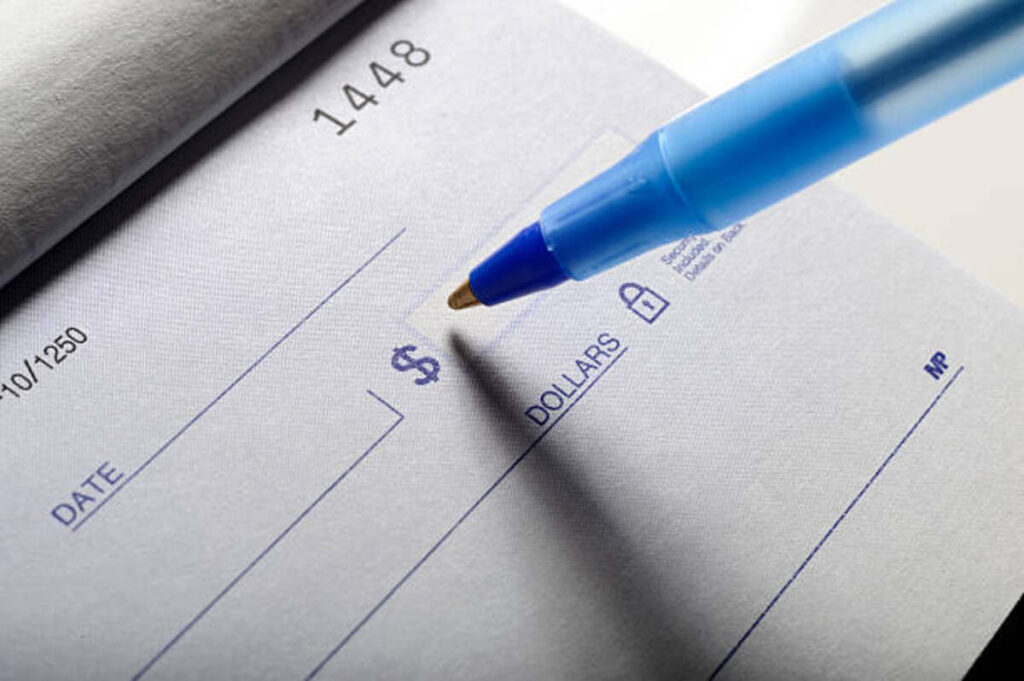
Every check starts with the date. This tells the bank when the check was written. Write the current date in the top right corner, typically in the format MM/DD/YYYY. This is crucial for your records and the recipient’s. The date ensures that both parties have a clear understanding of when the transaction was initiated, which is especially important for future reference or in the event of any disputes.
Including the correct date is also vital for the check’s validity. Banks may refuse to process checks that are post-dated or appear outdated, which can be an inconvenience for both you and the payee. Therefore, always ensure the date reflects the day you fill out the check to avoid any potential issues. By getting into the habit of dating your checks accurately, you maintain a reliable and consistent financial record.
Step 2: Write the Payee’s Name
Next, you’ll see a line labeled “Pay to the order of.” Here, write the name of the person or business you’re paying. Make sure to spell it correctly to avoid any issues when they deposit or cash the check. If you’re unsure about the correct name, double-check before proceeding. Miswriting the payee’s name can delay the processing of the check and may even result in its return.
It’s also important to use the full legal name of the payee to prevent any complications. Using nicknames or abbreviations might cause misunderstandings, especially if the payee’s bank requires precise identification for cashing or depositing the check. Taking the time to verify the payee’s details not only ensures a smooth transaction but also demonstrates professionalism and attention to detail.
Step 3: Fill in the Payment Amount
Here’s where you specify how much money you’re sending. You’ll need to write this amount twice:
Numeric Form
In the box to the right of the payee’s name, write the payment amount in numbers. For example, $150.75. Start as far to the left as possible to prevent anyone from adding extra digits. This practice helps protect against fraud by minimizing the space available for alterations.
Make sure the numeric amount is clear and legible, as banks rely heavily on this section for processing the check. Avoid using commas or unnecessary punctuation that could confuse automated systems. Precision in this step ensures that the exact amount you intend to pay is honored, avoiding any discrepancies.
Written Form
Below the payee’s name, you’ll find a line with the word “Dollars” at the end. Write the amount in words here, such as “One hundred fifty and 75/100.” This helps prevent confusion or fraud. If there’s space left over, draw a line to fill it up. This line acts as a barrier against anyone attempting to alter the amount.
Writing the amount in words serves as a safeguard to confirm the numeric entry. In cases of discrepancy, banks often refer to the written amount, making it crucial to match both entries. By practicing this dual-entry method, you reinforce the accuracy and security of your financial transactions.
Step 4: Write a Memo
The memo line is optional but useful. It helps you and the recipient remember what the check is for. For instance, you could write “June Rent” or “Charity Donation.” This isn’t essential, but it’s a helpful reminder. The memo can also serve as a reference point if any future questions or disputes arise regarding the payment’s purpose.
Including a memo can also aid in personal budgeting and financial tracking. It allows you to categorize your expenses and analyze your spending habits more effectively. While the memo line is optional, utilizing it can enhance your record-keeping and financial management skills.
Step 5: Sign the Check
Your signature is what authorizes the payment. Sign on the line in the bottom right corner. Make sure your signature matches the one your bank has on file. Without a valid signature, the check can’t be processed. Your signature acts as a binding agreement, confirming that you approve the funds to be released.
It’s important to develop a consistent signature style that is easily recognizable. Inconsistencies in your signature could lead to the bank questioning the check’s authenticity, causing unnecessary delays. By ensuring your signature is neat and consistent, you facilitate a smooth transaction process.
Step 6: Record the Transaction
Don’t skip this part! Record the check in your checkbook register. This keeps your finances organized and helps avoid overdrafts. Include the check number, date, payee, and amount. Keeping track of these details is good financial practice. It allows you to maintain an accurate account of your spending, ensuring you remain within your budget.
Regularly updating your checkbook register can also help identify any unauthorized transactions or errors promptly. This proactive approach to financial management can save you from potential fees or financial discrepancies. By diligently recording each transaction, you enhance your financial literacy and responsibility.
Troubleshooting Common Check-Writing Mistakes
Misspelled Names
Double-check spelling before finalizing the check. A misspelled name can cause delays or rejection. It’s often a simple mistake that can be easily avoided with a little extra attention to detail.
Wrong Amount
Ensure both numerical and written amounts match. If they differ, the bank may reject the check. Consistency between these two forms of the amount is crucial for the check’s validity.
Missing Signature
A check without a signature is void. Always double-check that you’ve signed before handing it over. This oversight is one of the most common reasons checks are returned or declined.
Tips for Safe Check Writing
- Use a Pen: Always use a pen to write checks. Pencils can be erased, making them susceptible to fraud. Pens provide a permanent record, reducing the risk of unauthorized alterations.
- Consistent Signature: Ensure your signature matches the one on file with your bank. Consistency helps banks verify your identity.
- Avoid Blank Checks: Never sign a blank check. Fill in all details before signing. Leaving any part of a check blank can open the door to potential fraud.
When to Avoid Writing Checks
While checks are useful, they’re not always the best option. Here are some cases where you might want to consider alternatives:
- Large Purchases: For significant expenses, wire transfers or cashier’s checks are more secure. These methods offer additional layers of protection and are often preferred by sellers for high-value transactions.
- Urgent Payments: Checks take time to clear. If you need immediate payment, opt for digital methods. Electronic payments provide instant processing, ensuring deadlines are met.
- Recurring Bills: Automated payments ensure you never miss a due date. Setting up direct debits or standing orders can save time and reduce the risk of late fees.
Conclusion: Mastering the Art of Check Writing
There you have it—a comprehensive guide to writing checks. While it may seem old-fashioned, this skill is indispensable. Whether you’re an aspiring novelist needing to manage royalties, a content marketer paying vendors, or a graduate student handling tuition, knowing how to write a check can be handy. Practice these steps, and soon you’ll be writing checks with confidence and ease. The ability to write a check is a testament to your financial savvy and adaptability.
Remember, check writing is just one tool in your financial toolkit. As you navigate the world of personal finance, keeping a balance between traditional methods and modern conveniences will serve you well. Embracing both can provide you with greater flexibility and control over your financial affairs. Now, go forth and write those checks like a pro, equipped with the knowledge and confidence to handle any financial scenario.
