


For years, society has treated weight loss as a simple test of willpower, leaving millions feeling like they have somehow failed. Research shows that carrying extra weight is actually deeply rooted in complex human biology rather than a simple lack of personal discipline. What do you consider about wegovy weight loss injections.
Imagine walking past an open box of doughnuts in the office breakroom without experiencing an exhausting mental tug-of-war. According to obesity specialists, many people live with a constant internal chatter about their next meal that dictates their daily thoughts. This phenomenon is widely known as food noise, and having it constantly playing in the background makes traditional dieting feel nearly impossible.
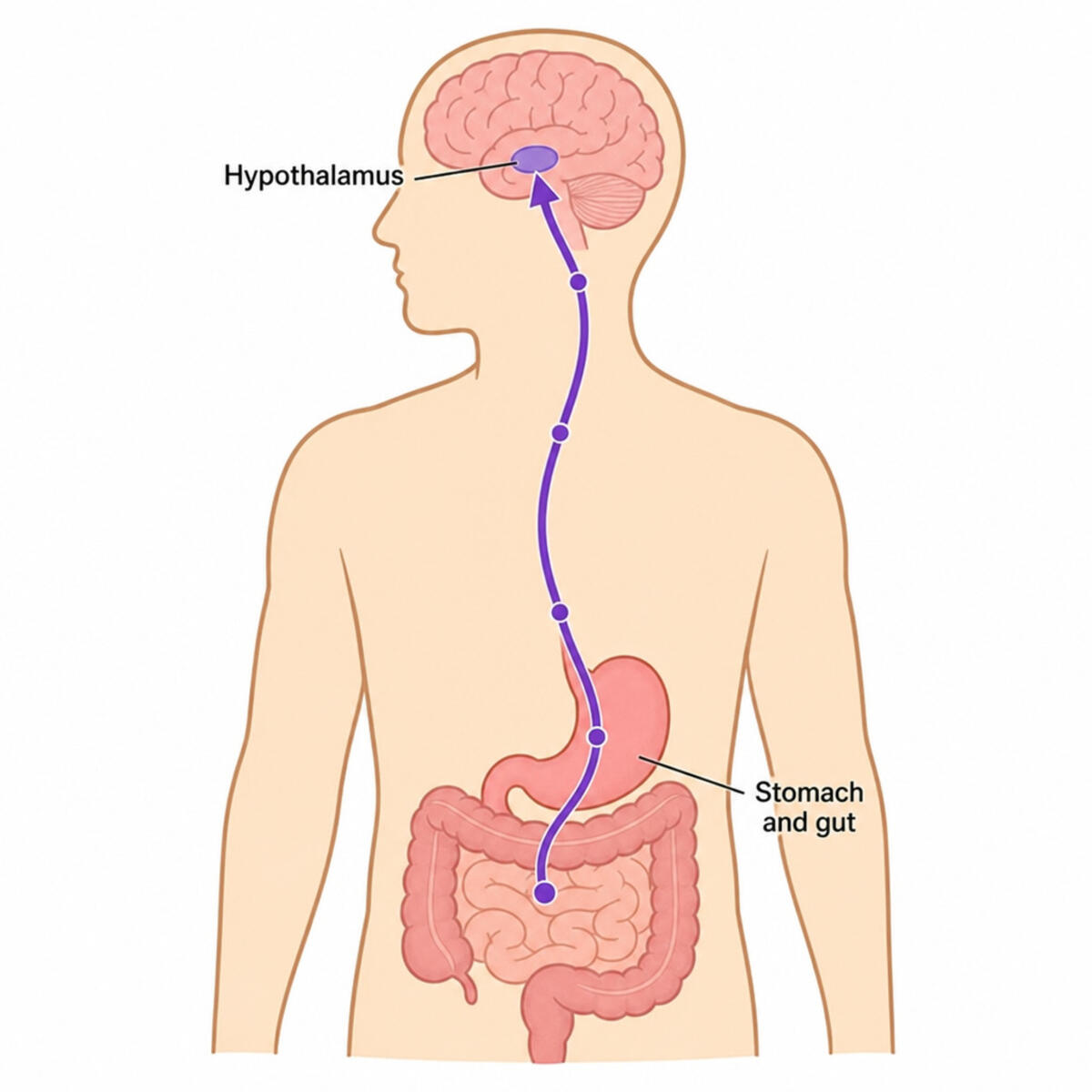
Enter a modern medical approach that fundamentally changes how your brain and stomach communicate. These Wegovy weight loss injections belong to a category of medications known as a GLP-1 receptor agonist, which serves as a biological “fullness hormone” mimic. By slowing down how quickly your stomach empties, the semaglutide mechanism of action essentially acts as a volume knob that turns down your appetite.
Silencing those persistent cravings allows patients to finally build healthier habits without fighting their own anatomy every single day. Clinical trials consistently demonstrate that treating obesity at its biological root creates far better outcomes than viewing it as a temporary problem requiring a quick fix. People taking the medication often report that their minds finally feel quiet, giving them the newfound freedom to simply leave half a muffin on their plate.
A comprehensive roadmap of how the drug interacts with the body, the timeline of expected results, and the reality of potential discomforts provides the strongest foundation for making an informed decision about long-term health.
The ‘Fullness Hormone’ Mimic: How Semaglutide Communicates with Your Brain
For many, pushing away a half-eaten plate isn’t about willpower—it’s biology. Every time you eat, your gut releases a natural “fullness hormone” called GLP-1 that tells your brain you have had enough. However, this natural signal fades in minutes. Wegovy mimics this hormone but is designed to last a full week, providing a continuous “I’m full” signal that quiets the constant thoughts of food.
The semaglutide mechanism of action demonstrates why it serves as a powerful appetite suppressant. Instead of acting like a jittery stimulant, it works naturally by targeting three specific areas:
- Brain (Satiety): Activates fullness centers to silence constant food cravings.
- Stomach (Delayed Emptying): Slows down how fast food leaves your stomach.
- Pancreas (Insulin Regulation): Balances blood sugar to prevent hunger-causing crashes.
Because your digestion is slower, smaller portions genuinely feel satisfying.
Are You Eligible? Deciphering BMI and Health Requirements
Social media often makes it seem like anyone wanting to drop a few vacation pounds can easily get a prescription, but this is a serious treatment. FDA guidelines strictly reserve this weight loss medication for individuals facing chronic health risks rather than simple cosmetic adjustments.
To qualify, your doctor will evaluate your Body Mass Index (BMI) alongside any weight-related health issues—medically known as “comorbidities.” You generally meet the BMI requirements for weight loss shots if your profile fits into one of two categories:
- A BMI of 30 or higher (typically meaning carrying 30 or more extra pounds).
- A BMI of 27 or higher, plus at least one weight-related condition, such as high blood pressure, high cholesterol, or type 2 diabetes.
Meeting these medical guidelines is just the starting line for your journey. Because your digestive system needs time to safely adapt to these new hormonal signals, your doctor will gently ease you into the medicine.
The Five-Step Dose Climb: Understanding the Wegovy Titration Schedule
Starting your medication journey doesn’t mean jumping straight to the strongest prescription. Because Wegovy changes how quickly your stomach empties, doctors use a gradual stepping process called the Wegovy dosage titration schedule. This simply means starting with a tiny amount—just 0.25 milligrams—to let your digestive system adapt without becoming overwhelmed by nausea.
You will stay on this introductory amount for four complete weeks before stepping up. Every four weeks, your doctor slightly increases the medicine, guiding you through a carefully planned five-month climb. During this time, patience is vital. Rushing the process isn’t better for your body; taking a higher dose too soon typically just triggers uncomfortable side effects instead of faster weight loss.
The ultimate goal of this steady climb is reaching 2.4 milligrams, which is known as the maintenance dose. Once your body comfortably tolerates this final level, you will stay there for the remainder of your treatment to keep your “food noise” quiet and your hunger signals consistently balanced.
Realistic expectations for progress rely on this timeline, while everyday success depends on the physical act of taking the medicine itself.
Where Does the Needle Go? A Guide to Subcutaneous Injection Sites
Learning how to use Wegovy pen devices is simpler than expected. It requires a subcutaneous injection, meaning the tiny needle places the medicine into the fatty tissue just under your skin rather than into a muscle. You have three approved zones for this: your lower stomach (staying two inches away from your navel), the front of your thighs, or the back of your upper arms.
The actual process is largely automated. Just press the pen firmly against clean skin until you hear two clicks: one starting the delivery, and another confirming it is finished. To keep your tissue healthy, following a subcutaneous injection site rotation guide is crucial. This simply means picking a different spot each week to prevent skin irritation.
This quick routine usually becomes second nature after just a few attempts. Once you master the injection process and begin your steady dosage climb, your attention will naturally shift toward the physical changes happening within your body.
Realistic Results: What 15% Weight Loss Looks Like Over 68 Weeks
Social media often showcases overnight transformations, but true biological change follows a steadier rhythm. In major clinical trials, patients using GLP-1 medications lost an average of 15% of their total body weight over 68 weeks. Rather than a sudden drop, progress typically follows a clear timeline:
- Month 1: Early reductions driven largely by water loss and reduced inflammation.
- Month 3: Steady, noticeable fat loss begins as your dosage increases.
- Year 1: The timeframe when most people achieve their peak expected weight-loss results.
Hitting a weight plateau after those initial twelve months is completely normal, not a sign of failure. Think of your metabolism like a household thermostat that has finally stabilized at a new, healthier setting. Even when the scale stops moving, the treatment continues working behind the scenes to maintain your progress while supporting vital “non-scale victories,” such as better-controlled blood sugar and relieved joint pain.
Reaching these milestones means allowing your body time to adapt to a new digestive pace. Managing this adjustment requires proactive strategies to tame nausea and soothe the stomach.
Taming the Nausea: Why Your Stomach Reacts and How to Soothe It
You might expect a little discomfort when your body learns a new rhythm. Because the medication holds food in your stomach longer, your brain registers fullness much faster than before. If you eat past this new, earlier signal—a feeling doctors call “early satiety”—your stomach protests. This digestive “traffic jam” is the main culprit behind common GLP-1 receptor agonist side effects like nausea.
Preventing this backup requires a mental shift in how you plate your food. The most effective strategy for managing Wegovy nausea is practising the “80% rule,” which means putting your fork down the moment you feel slightly satisfied rather than completely full. Additionally, avoid heavy, fatty, or fried foods. Greasy meals naturally take longer to break down, and when combined with a slower metabolism, they sit in your stomach for hours, almost guaranteeing discomfort.
Strategic meal timing offers another powerful layer of relief. Since the medicine peaks in your system during the 48 hours following your weekly shot, plan to eat your lightest meals on those specific days.
Managing the ‘Big Three’ Digestive Side Effects: Heartburn, Constipation, and Diarrhea
Beyond nausea, a slowed digestive pace—known medically as gastrointestinal transit time—often triggers heartburn, constipation, or diarrhoea. When you use this weight-loss medication, food lingers much longer in your stomach. Because of this extended stay, lying flat immediately after eating guarantees heartburn. Gravity stops keeping those digestive juices anchored down, allowing acid to easily wash upward into your esophagus.
Further down your system, sluggish transit directly impacts your bowel habits. If waste moves too slowly, your colon absorbs excess water, causing constipation; conversely, if your body abruptly rejects a rich meal, diarrhea strikes. While these GLP-1 receptor agonist side effects are normal adjustments, severe, unrelenting stomach pain is a serious red flag requiring immediate medical care. To prevent everyday discomfort, establish a daily routine of drinking plenty of water and gradually increasing your dietary fiber.
Staying proactive stops these extremes from derailing your progress. Keep this GI Relief Toolkit handy:
- Soluble fiber: Regulates both loose and sluggish bowels.
- Electrolytes: Essential for rehydration if diarrhea occurs.
- Antacids: Neutralizes occasional reflux (with your doctor’s approval).
As the body adjusts to the medication, questions often arise about how this prescription compares with other well-known pharmacy brands.
Wegovy versus Ozempic: Same Molecule, Different Missions
News headlines often use the names interchangeably, creating confusion about Ozempic versus Wegovy for weight loss. Behind the distinct branding, both injection pens deliver the exact same active ingredient: semaglutide. The manufacturer simply created two separate identities for two distinct medical conditions. Ozempic was approved to manage type 2 diabetes, while Wegovy was later cleared specifically for chronic weight management.
The most significant physical difference between the two treatments is their maximum strength. During clinical trials, doctors realized patients required more medication to achieve substantial weight reduction than they did for blood sugar control alone. Consequently, Wegovy has a higher “dose ceiling,” reaching a 2.4-milligram weekly dose, while Ozempic tops out at 2.0 milligrams.
Because of these targeted FDA approvals, insurance companies treat them as entirely separate therapies, meaning you cannot swap one for the other if your pharmacy runs out. Coverage strictly depends on your official diagnosis. While Wegovy and Ozempic share a molecule, comparing them to entirely different formulas reveals distinct metabolic approaches.
The Battle of the Injections: Wegovy versus Zepbound
While Wegovy dominates headlines about weight-loss shots, a newer competitor is reshaping the landscape. Zepbound uses an ingredient called tirzepatide, which acts as a “dual-agonist.” Instead of just mimicking the GLP-1 “fullness hormone,” it also imitates a second hormone called GIP. Think of this dual approach as adding a second lock-and-key to your metabolism. It tackles “food noise” while potentially softening digestive side effects like nausea.
A quick Zepbound versus Wegovy comparison reveals how this two-hormone strategy impacts clinical results:
- Wegovy: Single-hormone action (GLP-1), yielding an average weight loss of about 15%.
- Zepbound: Dual-hormone action (GLP-1 plus GIP), achieving average weight loss of over 20%.
Deciding which treatment fits you best depends on your doctor’s guidance and your personal side-effect tolerance. However, because both options rapidly trigger substantial changes in your body, you will inevitably lose essential muscle along with fat if you aren’t careful. Protecting overall strength remains a crucial priority to prevent functional decline during rapid loss.
The Protein Priority: Why Muscle Mass Matters During Rapid Loss
Watching the scale drop rapidly is exciting, but those numbers can hide a biological trap. When medications drastically reduce your appetite, your body searches for quick energy, often burning essential muscle alongside fat. Losing too much strength can make you smaller and functionally weaker, which significantly slows your resting metabolism.
To prevent this, you must adopt a “protein-sparing” strategy as part of the critical dietary requirements for patients receiving semaglutide. This simply means eating enough protein to prompt your body to burn stored fat rather than muscle tissue. A good daily target is 0.8 to 1 gram of protein per kilogram of your body weight. Think of protein as the structural armor that protects your metabolism while the shot turns down your hunger volume.
Simple resistance training, alongside this protein boost, helps your body preserve its natural tone. Lifting light dumbbells or doing modified push-ups helps ensure your long-term weight-loss results remain sustainable. Beyond physical strategies, the next practical hurdle involves navigating the complex maze of insurance coverage and prior authorizations.
Navigating the Pharmacy: Insurance Coverage and Prior Authorizations
Securing the medication often feels like a steeper climb than the weight loss itself. Even if your doctor agrees you are an ideal candidate, insurance coverage for prescription obesity drugs is notoriously unpredictable. The first hurdle is your health plan’s “drug formulary”—simply a master list of medications your insurance covers. Since many employer-sponsored plans specifically exclude weight-management treatments, checking this list through your insurance portal or HR department is the crucial first step in learning how to get a Wegovy prescription covered.
If the drug is on that list, you will likely encounter a “Prior Authorization” (PA). Think of a PA as your insurance company’s way of asking your doctor for proof that you actually need this specific, expensive medication before they open their wallet. To successfully navigate this process, expect to follow a specific sequence:
- Check the formulary: Confirm that weight-loss therapies aren’t excluded by your specific employer’s plan.
- Submit the PA: Have your doctor send your BMI and medical records to justify the prescription.
- Utilize coupons and appeals: Apply manufacturer savings cards to lower out-of-pocket costs, and formally appeal if your first PA is denied.
Enduring this paperwork maze requires patience, as initial denials are incredibly common. When faced with steep out-of-pocket prices or repeated insurance rejections, many people understandably look for a budget-friendly loophole. However, turning to unauthorized online pharmacies introduces a completely different set of dangers, highlighting the critical need to understand the risks of “cheap” compounded alternatives.
The Risks of the ‘Cheap’ Alternative: Compounded Semaglutide Safety
Frustration over insurance denials naturally leads many to seek out cheaper, online alternatives. During official national drug shortages, a legal loophole allows “compounding pharmacies”—specialized facilities that custom-mix medications—to create their own unapproved versions of the drug. While this seems like a clever workaround to bypass insurance hurdles, it also bypasses FDA oversight, introducing significant health risks.
Behind these budget-friendly options lies a hidden chemical danger. To cut costs, some rogue pharmacies use cheaper, salt-based versions of the active ingredient, known medically as semaglutide sodium or semaglutide acetate. The FDA strictly warns against these unauthorized formulations, noting they interact differently with your body and have sparked major compounded semaglutide safety concerns. You are essentially injecting a medically unverified copycat rather than a tested hormone mimic.
Spotting red flags—like websites offering Wegovy weight loss injections without requiring a thorough doctor’s evaluation—is crucial to protecting your health. Prioritizing medical safety over cost savings is vital for long-term health, especially when considering what happens to the body’s appetite if the treatment stops entirely.
The Forever Question: What Happens When You Stop the Injections?
Many people hope these injections are a temporary fix, but doctors now treat obesity as a chronic condition—much like high blood pressure. Think of Wegovy as a volume knob for your appetite. While you take it, the constant “food noise” stays quiet. Stop the medicine, and that volume gets turned right back up, bringing old, intense cravings with it as your body loses that fullness signal.
Clinical data clearly illustrates this biological rebound. In the STEP 4 trial, patients who stopped the drug regained most of their lost weight within a year. This happens because of your “metabolic set point”—your brain’s stubborn defense mechanism that tries to pull your weight back to its previous high. Because your body fights to regain the fat it believes it needs, researchers are studying the long-term safety of GLP-1 medications for patients who need lifelong support to maintain their results.
Building sustainable daily habits while the medicine is actively helping you is essential to fighting this rebound. A successful weight-maintenance plan after stopping treatment requires leaning on the exercise and nutrition routines you developed when dieting was easier.
Your Wegovy Action Plan: 5 Steps to Discuss with Your Physician
You no longer have to view weight management as a solitary battle against your own willpower. By understanding how Wegovy weight loss injections work to quiet “food noise” and mimic your body’s natural fullness signals, you can approach your health with science rather than guilt. You are now equipped to look beyond the numbers on a scale and focus on your broader health span, prioritizing life-changing victories like reduced joint pain, better heart health, and renewed daily energy.
Before moving forward, take a moment to assess your readiness for the lifestyle changes that must accompany this medication. It is essential to remember that this treatment is a powerful biological tool, not a cheat code. It works best when partnered with mindful eating habits and consistent movement, meaning your daily choices still play a critical role in your long-term success.
To ensure a productive appointment with a primary care provider, bring this specific checklist:
- Lab tests: Ask your doctor to check your baseline metrics, specifically your A1C (blood sugar) and lipid panels.
- Safety check: Discuss any personal or family history of pancreatitis or thyroid conditions to ensure this medication is safe for you.
- Insurance documentation: Bring your policy details to review prior authorization requirements, as coverage for weight management medications often requires specific paperwork.
Armed with this knowledge, you can step into your doctor’s office with targeted questions and realistic expectations. Weight loss no longer has to be a frustrating cycle of fighting your own appetite; instead, it can be a manageable medical journey where biology and lifestyle finally work together.
